Books Like “The psychological treatment of depression

If you enjoyed The psychological treatment of depression by J. Mark G. Williams, you likely appreciate Behavior therapy, Cognitive therapy, Depression. These similar reads match the tone, themes, and audience of the original.

Not sure what to read next? Ask BestsellerFinder AI →

Behavior therapyCognitive therapyDepressionDepression, MentalDepression,MentalMental DepressionTherapyTreatment

Closest matches

Titles with overlapping themes, tone, and audience with your pick.

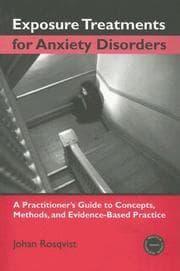
Cover of Exposure Treatments for Anxiety Disorders

Exposure Treatments for Anxiety Disorders

Johan Rosqvist

2005

Exposure Treatments for Anxiety Disorders is a unique volume, as it draws together the latest research on the rapidly-expanding field of anxiety disorders and illuminates how to correctly apply the proven methodology of behavioral therapy techniques to the variety of situations that face today's mental health professional. That said, cognitive therapy has in the last 10 years gotten increased attention as an alternative to behavior therapy in the treatment of anxiety disorders. But while it is gaining acceptance among practitioners, cognitive therapy has yet to illustrate substantial benefits above those that behavior therapy can already provide. In light of the aforementioned, coupled with the pressure many practitioners feel from managed care paradigms and shrinking healthcare coverage, this book will be a welcome resource allowing for increased clarity of action, accountability, and ultimately, positive client outcome. Each chapter is designed to address pivotal aspects in the assessment, formulation and diagnosis, and treatment of anxiety disorders, to a sufficient depth that the generalist practitioner will be comfortable using this book as a guide when working with the anxiety disordered client.

Why it's similar: Similar focus on Behavior therapy

Cover of Mental

Mental

Stephen M. Kosslyn, William L. Thompson, Giorgio Ganis

2018

How do we define mental illness? What does a diagnosis mean? What should you ask your doctor before you begin treatment? Are there alternatives to medication? What does the research show actually works? Practitioner and professor of psychiatry Dr Steve Ellen and popular comedian Catherine Deveny combine forces to demystify the world of mental health. Sharing their personal experiences of mental illness and an insider perspective on psychiatry, they unpack the current knowledge about conditions and treatments coveing everything from depression and anxiety to schizophrenia, personality disorders and substance abuse. Whether you have a mental illness or support someone who does, Mental offers clear practical help, empowering you with an arsenal of tips and techniques to help build your resilience.

Why it's similar: Also popular in Mental Health Books

Cover of Drugs, the brain and behavior

Drugs, the brain and behavior

John Brick

1999

Explore the brain and discover the clinical and pharmacological issues surrounding drug abuse and dependence. The authors, research scientists with years of experience in alcohol and drug studies, provide definitions, historic discoveries about the nervous system, and original, eye-catching illustrations to discuss the brain/behavior relationship, basic neuroanatomy, neurophysiology, and the mechanistic actions of mood-altering drugs. You will learn about: • how psychoactive drugs affect cognition, behavior, and emotion • the brain/behavior relationship • the specific effects of major addictive and psychoactive drug groups • new definitions and thinking about abuse and dependence • the medical and forensic consequences of drugs use Drugs, the Brain, and Behavior uses a balance of instruction, illustrations, and tables and formulas that will give you a broad, lasting introduction to this intriguing subject. Whether you're a nurse, chemical dependency counselor, psychologist, or clinician, this book will be a quick reference guide long after the first reading.

Why it's similar: Similar focus on PSYCHOLOGY

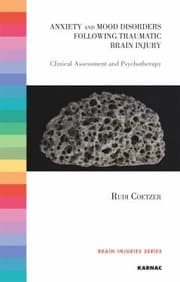
Cover of Anxiety and Mood Disorders Following Traumatic Brain Injury

Anxiety and Mood Disorders Following Traumatic Brain Injury

Rudi Coetzer

2010

While there are many excellent texts addressing cognitive impairment and behavioural difficulties and on rehabilitation associated with traumatic brain injury, few textbooks specifically address the most common emotional problems that can have such an adverse effect on rehabilitation and outcome. Uniquely this book deals exclusively with the identification and psychotherapeutic management of mood and anxiety disorders after traumatic brain injury. Furthermore, a systematic approach to identifying and diagnosing anxiety and mood disorders is followed throughout the text. As well as providing an introduction to anxiety and mood disorders after traumatic brain injury, it provides a psychological perspective on their evolution and management. It is aimed at a range of professionals in training (or those responsible for providing training in psychopathology, neuropsychology and psychotherapy), as well as those who may have an interest in working with the type of patients with anxiety or depression, commonly seen in post-acute brain injury rehabilitation settings. Case studies, summaries and suggested references for further reading are used throughout to facilitate understanding and teaching where relevant.

Why it's similar: Similar focus on Psychopathology

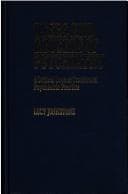
Cover of Users and Abusers of Psychiatry

Users and Abusers of Psychiatry

Lucy Johnstone

1989

Users and Abusers of Psychiatry is a radically different, critical account of the day-to-day practice of psychiatry. Using real-life examples and her own experience as a clinical psychologist, Lucy Johnstone argues that the traditional way of treating mental illness can often exacerbate people's original difficulties leaving them powerless, disabled and distressed. In this completely revised and updated second edition, she draws on a range of evidence to present a very different understanding of psychiatric breakdown than that found in standard medical textbooks. Users and Abusers of Psychiatry is a challenging but ultimately inspiring read for all who are involved in mental health - whether as professionals, students, service users, relatives or interested lay people.

Why it's similar: Similar focus on Psychopathology

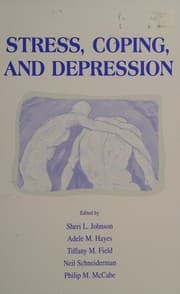
Cover of Stress, coping, and depression

Stress, coping, and depression

Sheri L. Johnson, Adele M. Hayes, Tiffany M. Field, Neil Schneiderman, Philip Mccabe

1999

Stress, Coping, and Depression is the latest volume based on the Annual Stress and Coping Conference held at the University of Miami. In this timely collection, leading researchers offer a variety of new perspectives on depression. They review the social, biological, and psychological processes that put adults and their children at risk and discuss innovative treatments grounded in empirical studies. Research findings are integrated across domains to construct more effective models of etiology and intervention. The contributors' thought-provoking ideas will provide inspiration for the ongoing efforts addressing the problems associated with this devastating disorder. Content highlights include: * novel information processing approaches to depression; * an overview of the neural pathways guiding moods; * empirical approaches for the treatment of bipolar disorders; * integrated models of biological and environmental influences on the transmission of depression to children; and * new perspectives on the relationship between personality and stress.

Why it's similar: Similar focus on Mental Depression

Cover of Cognitive-behavioral therapy for smoking cessation

Cognitive-behavioral therapy for smoking cessation

Kenneth A. Perkins, Kenneth A. Perkins, Cynthia A. Conklin, Michele D. Levine

2007

Cognitive-Behavioral Therapy (CBT) for Smoking Cessation is an essential resource for healthcare providers assisting patients in quitting tobacco smoking, presenting a structured approach that utilizes key components of CBT. This second edition provides empirically supported strategies for smoking cessation, adhering to well-established best practices and representing a "gold standard" in treatment. It presents step-by-step techniques to enhance patients’ motivation and confidence, prepare them to quit, navigate postquit challenges, and achieve long-term abstinence. This updated edition takes a patient-centered approach, addressing significant challenges faced during cessation and offering providers a systematic framework for delivering care. Notably, this volume introduces an adjunct CBT module specifically designed for patients very concerned about gaining weight after quitting—a unique and validated approach that aids cessation efforts and is not available in other resources. The book also includes new case vignettes, provider scripts, sidebars addressing common patient concerns, and key takeaways. Additionally, an extensive e-resource provides links to supplementary materials and further readings, equipping providers from diverse disciplines and backgrounds with the tools needed to effectively support patients. A must-have resource on the bookshelf of any health professional treating clients with tobacco dependence.

Why it's similar: Similar focus on Behavior therapy

Readers also enjoyed

Popular and highly rated books from our library you might like next.

Cover of The Bell Jar

The Bell Jar

Sylvia Plath

1948

In the sweltering summer of 1953, Esther Greenwood, a bright but increasingly disillusioned young woman from Massachusetts, grapples with the suffocating expectations placed upon women of her era as she interns at a prestigious New York fashion magazine. As her experiences in the city expose the superficiality and limitations of her prescribed future, Esther's mental health deteriorates, leading to a profound psychological crisis that forces her to confront societal pressures and her own identity. This semi-autobiographical novel offers a stark portrayal of a woman's descent into mental illness, exploring themes of ambition, societal roles, and the struggle for self-definition within a patriarchal American landscape.

Why it's similar: Similar focus on Psychology

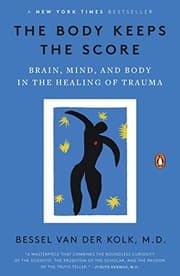
Cover of The Body Keeps the Score

The Body Keeps the Score

Bessel van der Kolk

2014

Este libro profundamente humano ofrece una nueva comprensión radical de las causas y consecuencias del trauma, que ofrece esperanza y claridad a todas las personas afectadas por su devastación. El trauma ha surgido como uno de los grandes retos de la salud pública de nuestro tiempo, no sólo por sus efectos bien documentados sobre los veteranos de guerra y víctimas de accidentes y delitos, sino debido a la cifra oculta de la violencia sexual y familiar y en las comunidades y escuelas devastadas por el abuso, el abandono y la adicción. Basándose en más de treinta años en la vanguardia de la investigación y la práctica clínica, Bessel Van Der Kolk muestra que el terror y el aislamiento en el núcleo del trauma, literalmente, remodelan tanto cerebro como el cuerpo. Nuevos conocimientos sobre nuestros instintos de supervivencia explican por qué las personas traumatizadas experimentan ansiedad incomprensible y rabia paralizante e intolerable y cómo el trauma afecta su capacidad para concentrarse, recordar, formar relaciones de confianza e incluso para sentirse como en casa en sus propios cuerpos. Estas personas, después de haber perdido el sentido del autocontrol y frustrados por las terapias fallidas, a menudo temen estar dañados sin posibilidad de recuperación. El cuerpo lleva la cuenta es la inspiradora historia de cómo un grupo de terapeutas y científicos, junto con sus valientes y memorables pacientes, han luchado por integrar los recientes avances en la ciencia del cerebro, la investigación del apego y la conciencia corporal en tratamientos que puedan liberar a los supervivientes del trauma de la tiranía del pasado. Estos nuevos caminos hacia la recuperación activan la neuroplasticidad natural del cerebro para reconectar el funcionamiento perturbado y reconstruir paso a paso la capacidad de "saber lo que se sabe y sentir lo que se siente".

Why it's similar: Similar focus on Treatment

Cover of The courage to be

The courage to be

Paul Tillich

1952

In "The Courage to Be," Paul Tillich explores the existential struggle of human beings faced with anxiety and despair in a contemporary world. Written in a compelling prose that intertwines philosophy and theology, Tillich employs a rich tapestry of literary allusions and personal insights to articulate his exploration of courage as a means of affirming one's existence. The book is rooted in the context of post-World War II existential thought, addressing the profound disillusionment of an era while arguing that true courage arises from the confrontation with one's own limitations and the acceptance of the inherent uncertainties of life. Paul Tillich, a noted philosopher and theologian, significantly influenced 20th-century thought with his synthesis of existentialism and Christian philosophy. His own experiences as a refugee and his deep engagement with the crises of modern life led him to emphasize the importance of courage in the face of ultimate concerns. Tillich's rich academic background, including his involvement with various religious and philosophical communities, enriches the text with depth and relevance. I highly recommend "The Courage to Be" to readers seeking an insightful examination of courage in the context of anxiety and faith. Its profound insights and philosophical rigor not only resonate with personal struggles but also encourage a thoughtful engagement with life's existential questions. In this enriched edition, we have carefully created added value for your reading experience: - A succinct Introduction situates the work's timeless appeal and themes. - The Synopsis outlines the central plot, highlighting key developments without spoiling critical twists. - A detailed Historical Context immerses you in the era's events and influences that shaped the writing. - A thorough Analysis dissects symbols, motifs, and character arcs to unearth underlying meanings. - Reflection questions prompt you to engage personally with the work's messages, connecting

Why it's similar: Also popular in Mental Health Books

Frequently Asked Questions

What should I read after The psychological treatment of depression?
Browse the similar books below — they're matched by subject overlap, author style, and reader preferences.
What books are most similar to The psychological treatment of depression?
Our recommendations prioritize shared themes like Behavior therapy, Cognitive therapy, Depression and books enjoyed by similar readers.
Which similar book is best for beginners?
Check page counts and summaries on each recommendation. Shorter titles with broader appeal are usually the best starting point.

Promote Your Book on BestsellerFinder

Reach thousands of readers with featured placements, homepage spots, and newsletter features.

Get bestseller picks in your inbox

Weekly curated book recommendations. Unsubscribe anytime.

Explore More

Affiliate Disclosure: As an Amazon Associate, we may earn from qualifying purchases. Book links on this page may be affiliate links. This does not affect our recommendations or the price you pay.