Pick
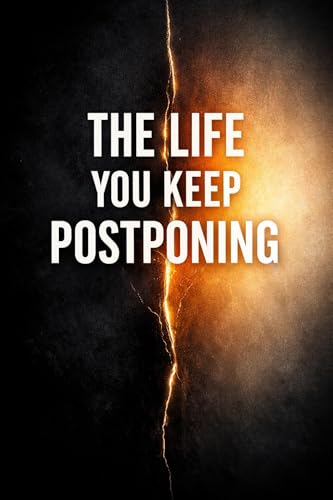
The Life You Keep Postponing
Cole Peterson
A clear look at what you are actually giving up when you keep trading the present for a fiction called later.
If you enjoyed Handbook of self-help therapies by Patti Lou Watkins, George A. Clum, you likely appreciate Mental illness, Self-care, Health, Treatment. These similar reads match the tone, themes, and audience of the original.
Not sure what to read next? Ask BestsellerFinder AI →
Titles with overlapping themes, tone, and audience with your pick.
Cole Peterson
A clear look at what you are actually giving up when you keep trading the present for a fiction called later.
Why it's similar: Also popular in Self-Help Books

Cole Peterson
About showing up, slowing down, and loving your kids in the time you still have.
Why it's similar: Also popular in Self-Help Books

Cole Peterson
See what shows up in real lives before the door closes. Straight talk, not a lecture.
Why it's similar: Also popular in Self-Help Books

Vivian Hale
About later years with more honesty, less performance, and room for both limits and love.
Why it's similar: Also popular in Self-Help Books

Robert J. Morgan
For people who want what remains to line up with what they meant, not with what they posted.
Why it's similar: Also popular in Self-Help Books

Cole Peterson
About meaning, time, and how showing up can matter more than the story you tell about yourself.
Why it's similar: Also popular in Self-Help Books

Cole Peterson
Direct, not preachy, about focus and attention for people who are done losing the day.
Why it's similar: Also popular in Self-Help Books
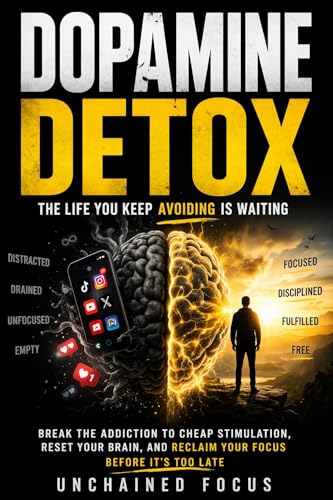
Cole Peterson
Blunt about the avoidance loop and how to move without turning the year into a productivity seminar.
Why it's similar: Also popular in Self-Help Books
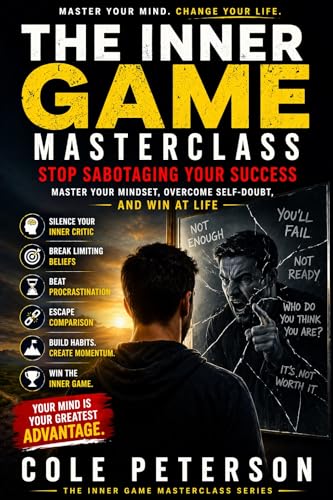
Lyn Kelley
Mindset, self-doubt, the little ways we exit. For people who know the pattern and want a cleaner fight.
Why it's similar: Also popular in Self-Help Books

Glenalmond Trinity coll
About invisible effort, worth, and learning to name your life as real even when the room was empty.
Why it's similar: Also popular in Self-Help Books

C. D. Rose
Relief starts when you stop comparing your whole life to a stranger's one inch of a feed.
Why it's similar: Also popular in Self-Help Books
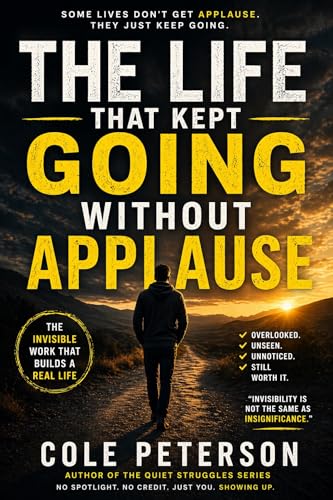
Cole Peterson
For the version of you that showed up in an empty room. Permission to count your work as real.
Why it's similar: Also popular in Self-Help Books
Popular and highly rated books from our library you might like next.

Beverly Joan Boulware
About this book — The Friendship That Changed Everything is a Self-Help Books book by Cole Peterson. Explore related titles, reader interests, and similar books on BestsellerFinder.
Why it's similar: Also popular in Self-Help Books

Cole Peterson
About the gap between who you are and who you thought you would be, without a shame layer on top.
Why it's similar: Also popular in Self-Help Books

Alfred Smee
Systems and a calmer read for people who do better with strategy than with motivational posters.
Why it's similar: Also popular in College Prep Books
American Psychological Association
2007
本书作者通过讲述与他接触的病人所发生的故事,介绍了与音乐和听觉有关的有趣的科学知识,以及音乐疗法对患有不同病症的患者的康复所取得的显著效用.
Why it's similar: Also popular in Self-Help Books
Michael Bungay Stanier
1996
This latest collection of stories celebrates the shared experiences of being a woman in a 101 new ways. You will be moved by these true accounts of how women like you have embraced life's defining moments by finding love, dealing with loss, overcoming obstacles and achieving their dreams and goals. Like spending time with a trusted friend, A Second Chicken Soup for the Woman's Soul will put difficult times into perspective, renew your faith in yourself and make you aware of the miracles in your own life.
Why it's similar: Similar focus on Self-actualization (Psychology)
Reach thousands of readers with featured placements, homepage spots, and newsletter features.
Weekly curated book recommendations. Unsubscribe anytime.
Affiliate Disclosure: As an Amazon Associate, we may earn from qualifying purchases. Book links on this page may be affiliate links. This does not affect our recommendations or the price you pay.