Books Like “Cognitive therapy of anxiety disorders

If you enjoyed Cognitive therapy of anxiety disorders by Adrian Wells, you likely appreciate Anxiety, Cognitive therapy, Anxiety Disorders. These similar reads match the tone, themes, and audience of the original.

Not sure what to read next? Ask BestsellerFinder AI →

AnxietyCognitive therapyAnxiety DisordersTherapyCognitive Behavioral TherapyThérapie cognitivePSYCHOLOGYPsychopathology

Closest matches

Titles with overlapping themes, tone, and audience with your pick.

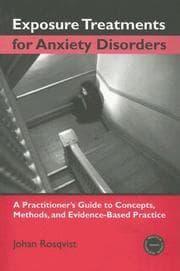
Cover of Exposure Treatments for Anxiety Disorders

Exposure Treatments for Anxiety Disorders

Johan Rosqvist

2005

Exposure Treatments for Anxiety Disorders is a unique volume, as it draws together the latest research on the rapidly-expanding field of anxiety disorders and illuminates how to correctly apply the proven methodology of behavioral therapy techniques to the variety of situations that face today's mental health professional. That said, cognitive therapy has in the last 10 years gotten increased attention as an alternative to behavior therapy in the treatment of anxiety disorders. But while it is gaining acceptance among practitioners, cognitive therapy has yet to illustrate substantial benefits above those that behavior therapy can already provide. In light of the aforementioned, coupled with the pressure many practitioners feel from managed care paradigms and shrinking healthcare coverage, this book will be a welcome resource allowing for increased clarity of action, accountability, and ultimately, positive client outcome. Each chapter is designed to address pivotal aspects in the assessment, formulation and diagnosis, and treatment of anxiety disorders, to a sufficient depth that the generalist practitioner will be comfortable using this book as a guide when working with the anxiety disordered client.
Why it's similar: Similar focus on Anxiety

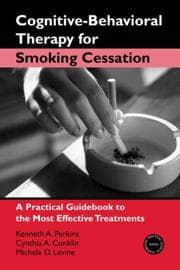
Cover of Cognitive-behavioral therapy for smoking cessation

Cognitive-behavioral therapy for smoking cessation

Kenneth A. Perkins, Kenneth A. Perkins, Cynthia A. Conklin, Michele D. Levine

2007

Cognitive-Behavioral Therapy (CBT) for Smoking Cessation is an essential resource for healthcare providers assisting patients in quitting tobacco smoking, presenting a structured approach that utilizes key components of CBT. This second edition provides empirically supported strategies for smoking cessation, adhering to well-established best practices and representing a "gold standard" in treatment. It presents step-by-step techniques to enhance patients’ motivation and confidence, prepare them to quit, navigate postquit challenges, and achieve long-term abstinence. This updated edition takes a patient-centered approach, addressing significant challenges faced during cessation and offering providers a systematic framework for delivering care. Notably, this volume introduces an adjunct CBT module specifically designed for patients very concerned about gaining weight after quitting—a unique and validated approach that aids cessation efforts and is not available in other resources. The book also includes new case vignettes, provider scripts, sidebars addressing common patient concerns, and key takeaways. Additionally, an extensive e-resource provides links to supplementary materials and further readings, equipping providers from diverse disciplines and backgrounds with the tools needed to effectively support patients. A must-have resource on the bookshelf of any health professional treating clients with tobacco dependence.

Why it's similar: Similar focus on Cognitive therapy

Readers also enjoyed

Popular and highly rated books from our library you might like next.

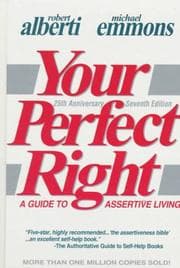
Cover of Your perfect right

Your perfect right

Robert E. Alberti, Michael L. Emmons

1974

Guidance and support for people who lack confidence, have trouble maintaining relationships, or need to learn to defend themselves is provided in this time-tested guide to building self-esteem, protecting oneself from bullying or abuse, and making constructive use of anger. Realistic exercises are designed to be practiced in daily life, applied to struggles both small and large, and notably strengthen self-confidence and assertiveness. Una ayuda enorme para gente que se siente insegura, tiene dificultad en mantener relaciones positivas o necesita aprender como defenderse, este libro demuestra como adquirir seguridad en sí mismo, proteger sus derechos, enfrentar y controlar el enojo y relacionarse con personas "difíciles." Los procedimientos descritos son realistas, prácticos y han probado su eficacia.

Why it's similar: Similar focus on Self-Help

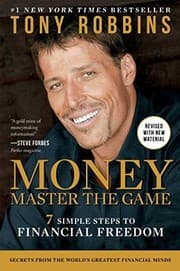
Cover of Money

Money

Anthony Robbins

2014

Tony Robbins turns to the topic that vexes us all: How to secure financial freedom for ourselves and for our families. “If there were a Pulitzer Prize for investment books, this one would win, hands down” (Forbes). Tony Robbins is one of the most revered writers and thinkers of our time. People from all over the world—from the disadvantaged to the well-heeled, from twenty-somethings to retirees—credit him for giving them the inspiration and the tools for transforming their lives. From diet and fitness, to business and leadership, to relationships and self-respect, Tony Robbins’s books have changed people in profound and lasting ways. Now, for the first time, he has assembled an invaluable “distillation of just about every good personal finance idea of the last forty years” (The New York Times). Based on extensive research and interviews with some of the most legendary investors at work today (John Bogle, Warren Buffett, Paul Tudor Jones, Ray Dalio, Carl Icahn, and many others), Tony Robbins has created a 7-step blueprint for securing financial freedom. With advice about taking control of your financial decisions, to setting up a savings and investing plan, to destroying myths about what it takes to save and invest, to setting up a “lifetime income plan,” the book brims with advice and practices for making the financial game not only winnable—but providing financial freedom for the rest of your life. “Put MONEY on your short list of new books to read…It’s that good” (Marketwatch.com).

Why it's similar: Similar focus on SELF-HELP

Frequently Asked Questions

What should I read after Cognitive therapy of anxiety disorders?
Browse the similar books below — they're matched by subject overlap, author style, and reader preferences.
What books are most similar to Cognitive therapy of anxiety disorders?
Our recommendations prioritize shared themes like Anxiety, Cognitive therapy, Anxiety Disorders and books enjoyed by similar readers.
Which similar book is best for beginners?
Check page counts and summaries on each recommendation. Shorter titles with broader appeal are usually the best starting point.

Promote Your Book on BestsellerFinder

Reach thousands of readers with featured placements, homepage spots, and newsletter features.

Get bestseller picks in your inbox

Weekly curated book recommendations. Unsubscribe anytime.

Explore More

Affiliate Disclosure: As an Amazon Associate, we may earn from qualifying purchases. Book links on this page may be affiliate links. This does not affect our recommendations or the price you pay.