Cover of Memory

Memory

by Alan J. Parkin

Published 1993

Sections in subsequent chapters deal with memory loss; how memory is measured and how to interpret reports; legalistic aspects of memory; the nature and reliability of memory in children; changes in memory across the life-span; dementia; hypnosis; false memory; and memory therapy.".

Age factorsMemoryMemory ImprovementPersonal GrowthSELF-HELPAlternGeheugenMémoireFacteurs liés à l'âgePsychologieGedächtnisNeuropsychologie

Similar Books

Cover of on Human Memory

on Human Memory

Chizuko Izawa

Chizuko Izawa's "On Human Memory" offers a comprehensive exploration of memory's intricate mechanisms, delving into theoretical models that explain how information is encoded, stored, and retrieved. The book bridges cognitive psychology with mathematical frameworks, presenting formalisms that offer insights into memory's capacity and limitations. While grounded in scientific theory, it also provides practical implications for understanding personal growth and potential avenues for memory improvement.

Cover of A second chicken soup for the woman's soul

A second chicken soup for the woman's soul

Jack Canfield, Dave Barry, Jack Canfield, Marci Shimoff, Mark Victory Hansen, Jennifer Read Hawthorne, Mark Victor Hansen

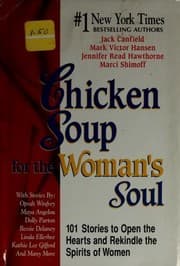
This latest collection of stories celebrates the shared experiences of being a woman in a 101 new ways. You will be moved by these true accounts of how women like you have embraced life's defining moments by finding love, dealing with loss, overcoming obstacles and achieving their dreams and goals. Like spending time with a trusted friend, A Second Chicken Soup for the Woman's Soul will put difficult times into perspective, renew your faith in yourself and make you aware of the miracles in your own life.

Cover of Tip-of-the-tongue States

Tip-of-the-tongue States

Bennett L. Schwartz

Tip-of-the-Tongue experiences are one of those illusive oddities of human cognition. Like slips of the tongue, déjà vu, and visual illusions, TOTs dazzle us with their subjective strength, yet, at the same time, puzzle us with our frustrating inability to retrieve the desired word. This book discusses what little is known about TOTs and speculates about much of the rest of the riddle. Cognitive psychologists know a lot about processes but generally avoid issues of conscious experience and phenomenology. Because the larger goal of this book is to relate the TOT experience to the study of human phenomenology, it goes beyond the conventional cognitive psychology question, "What causes tip-of-the-tongue experiences?" to ask, "Why do we experience TOTs at all?"

Cover of Finding Your Way with Your Baby

Finding Your Way with Your Baby

Dilys Daws, Alexandra De Rementeria

Finding Your Way with Your Baby explores the emotional experience of the baby in the first year, and that of the mother, father and other significant adults. It does so in a way that is deeply informed by psychoanalytic understandings, infant observation, developmental science and decades of clinical experience. Combining the wisdom of many years' work with the freshness of up-to-date knowledge, Dilys Daws and Alexandra de Rementeria engage with the most difficult emotional experiences that are often glossed over in parenting books – such as pregnancy, through birth into bonding, ambivalence about the baby, depression, and the emotional turmoil so often brought to the surface by being a new parent. Acknowledgement and understanding about this darker side of family life offers a sense of relief that can allow parents to harness the power of knowing, owning and sharing feelings to transform situations and break negative cycles and old ways of relating. With real-life examples, references to current thinking and a calm and simple writing style they also provide new insights into the more commonly covered issues such as weaning, sleeping and crying. Finding Your Way with Your Baby is primarily aimed at parents but it will be a helpful resource for all those working with parents and babies including health visitors, midwives, social workers, GPs, paediatricians and childcare workers. It will appeal to parents and professionals who are interested in ideas from psychoanalytic clinical practice and the latest research in developmental psychology and neuroscience.

Cover of Smart Woman's Guide to PMS and Pain-Free Periods

Smart Woman's Guide to PMS and Pain-Free Periods

Linda Woolven

An unabashed guide to symptom-free, drug-free periods For the 30 to 40 percent of women afflicted with PMS, traditional medicine can offer no genuine cures, only hormones, anti-depressants, and temporary pain-killers. Offering a practical, easy-to-implement plan for recovery from even the most debilitating forms of PMS, herbalist Linda Woolven outlines a natural powerhouse regimen of herbs, vitamins, minerals, and nutritional changes. A comprehensive guide to every aspect of women's menstrual and sexual health, the book also addresses menopause and osteoporosis. Combining scientific research and clinical experience with clear practical guidelines, this is an essential how-to health book for women of all ages. Linda Woolven (Toronto, ON, Canada) is the author of The Vegetarian Passport Cookbook (978-1-555041-331-1) and Healthy Herbs (978-1-555041-329-8).

Explore More

Affiliate Disclosure: As an Amazon Associate, we may earn from qualifying purchases. Book links on this page may be affiliate links. This does not affect our recommendations or the price you pay.