Pick
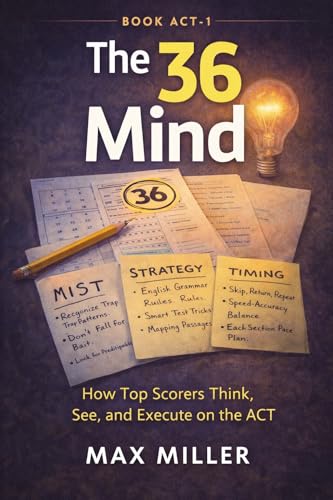
The 36 Mind: ACT
Alfred Smee
Systems and a calmer read for people who do better with strategy than with motivational posters.
by Chapone
Published 1773
Check availability on Amazon
Are you the author or publisher of this book?
Claim this book — FreeUpdate metadata for “Letters on the improvement of the mind” after verification.
BestsellerFinder Score unavailable — not enough catalog data yet.
This collection of works by John Gregory, Lady Sarah Pennington, and Mrs. Chapone offers a fascinating glimpse into the self-improvement literature of the late 18th century. With a focus on education, family life, and personal growth, these texts provide valuable historical context for modern readers. This work has been selected by scholars as being culturally important, and is part of the knowledge base of civilization as we know it. This work is in the "public domain in the United States of America, and possibly other nations. Within the United States, you may freely copy and distribute this work, as no entity (individual or corporate) has a copyright on the body of the work. Scholars believe, and we concur, that this work is important enough to be preserved, reproduced, and made generally available to the public. We appreciate your support of the preservation process, and thank you for being an important part of keeping this knowledge alive and relevant.
Alfred Smee
Systems and a calmer read for people who do better with strategy than with motivational posters.
Jerald G. Bachman
Does success in school protect teenagers from drug use? Does drug use impair scholastic success? This book tackles a key issue in adolescent development and health - the education-drug use connection. The authors examine the links and likely causal connections between educational experiences, delinquent behavior, and adolescent use of tobacco, alcohol, marijuana, and cocaine. The book uses data from the University of Michigan's Monitoring the Future project. It focuses on a large and nationally representative sample of 8th grade students in the United States who were initially surveyed in 1991-1993 and then followed over the vitally important developmental period between ages 14 and 22. The volume uses a variety of statistical analysis techniques, and the findings can be understood by individuals with limited, as well as with extensive, backgrounds in research design. The findings convincingly demonstrate that if young people can be successful in school, it can improve a broad range of outcomes in their lives, not the least of which is their ability to resist pressures to use drugs. The book provides: a summary of the findings and conclusions; a review of relevant literature; a detailed discussion of the survey and analysis methods; the academic attainment of those in the longitudinal panel; the delinquent behaviors of panel members as they relate to measures of educational success; and the patterns of initiation, continuation, and cessation for each substance: cigarettes, marijuana, cocaine, and alcohol. This book is intended for anyone who deals with education and/or substance use, including educational, developmental, and social psychologists; sociologists; epidemiologists; educators; and policy makers. The analysis of panel survey data, using a variety of techniques, will also appeal to survey methodologists and students.
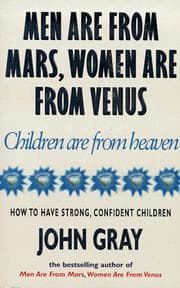
John Gray
John Gray's work explores the fundamental differences in communication and emotional needs between men and women, applying these insights to family dynamics. The book delves into how these distinct perspectives impact marital relationships and parenting, offering strategies to navigate misunderstandings and foster greater harmony. It examines how understanding sex differences is crucial for effective interpersonal communication within the family unit, ultimately aiming to cultivate a more loving and supportive environment for all members.
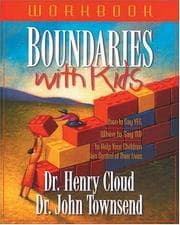
Henry Cloud, John Sims Townsend, Henry O. Arnold
Discover how setting biblical boundaries can improve your parenting and your relationship with your children. Join Drs. Henry Cloud and John Townsend, authors of the New York Times bestseller Boundaries, as they share the research and guidance you need to raise your kids to take responsibility for their actions and emotions and enable them to lead balanced, productive, and fulfilling adult lives. The tools and guidance provided in Boundaries with Kids will change the way you view healthy boundaries, no matter where you are in your parenting journey. You'll learn how to: Define appropriate boundaries and consequences for your kids. Set limits and still be a loving parent. Bring balance to an out-of-control family life. Understand the six steps to implementing boundaries in your home. Using biblically backed principles, including respect, stewardship, and self-control, Drs. Cloud and Townsend share the lessons they've learned firsthand after decades of working with families across the country. With wisdom and empathy, they take you through the ins and outs of instilling the kind of character in your children that will help them lead Godly lives.
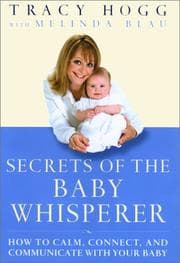
Tracy Hogg, Melinda Blau
A unique program for understanding and communicating effectively with your baby from infant expert Tracy Hogg. The combination of interactive self-questioning and expert, friendly advice will change how you approach parenting, leading to transformative results. 'Miracles are her business' -- Jodie Foster 'The honest truth is that Tracy Hogg has provided me with more insight into the things that matter than anyone else' -- Observer Review 'She achieves what, to hard-pressed parents, seem like miracles' -- Mail on Sunday '...in a different league than all other 'how to manage as a parent' books' -- Daily Mail 'A book that changed our lives' -- ***** Reader review 'This book is amazing' -- ***** Reader review 'Great book, full of easy tips and tricks for new parents. I would highly recommend it!!!!' -- ***** Reader review 'The BEST baby advice book, EVER!!' -- ***** Reader review 'A God Send!' -- ***** Reader review **************************************************************** Tracy Hogg knows babies. She can calm even the most distressed or difficult infant, because she understands their language. Hence, her clients call her 'The Baby Whisperer'. In this remarkable parenting book, Tracy demystifies the magic she has performed with some five thousand babies. She teaches parents how to work out what kind of baby they have, what kind of mother or father they are, and what kind of parenting plan will work best for them. Believing that babies need to become part of the family - rather than dominate it - she has developed a practical programme that works with infants as young as a day old. Full of questionnaires, clearly explained theories and easy-to-follow, practical, expert advice - this book is guaranteed to set you on the path to calm and confident parenting.
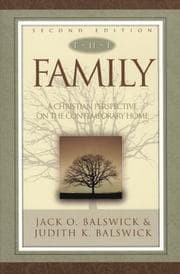
Jack O. Balswick, Judith K. Balswick
The Family is a resource for college and seminary faculty, pastors, and Christian counselors. Now in its third edition, this study has been revised and updated throughout to include the results of current research and contemporary trends.--From publisher's description.
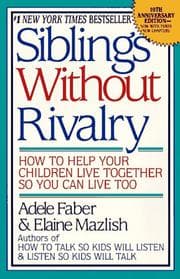
Adele Faber, Elaine Mazlish, Elaine Marsh
The authors show effective ways to reduce sibling rivalry and promote cooperation rather than competition
Candace Wellman
"Interwoven Lives" delves into the complex dynamics of adolescent development and the crucial role of family relationships in shaping young lives within the United States. Through a sociological and psychological lens, the authors explore how parent-child interactions, marital satisfaction, and broader societal influences intertwine to impact adolescent well-being. The book offers insights into the challenges and triumphs of navigating this critical life stage, emphasizing the interconnectedness of individual growth and familial bonds.

David Herbert Lawrence
Trapped in a marriage which has become sterile and joyless since her husband's return from the trenches of the First World War, partially paralysed and confined to a wheelchair, Connie seizes the chance of sexual fulfilment she had thought lost to her forever.
Affiliate Disclosure: As an Amazon Associate, we may earn from qualifying purchases. Book links on this page may be affiliate links. This does not affect our recommendations or the price you pay.