

Books Like “The developmental psychopathology of eating disorders

If you enjoyed The developmental psychopathology of eating disorders by Linda Smolak, Michael P. Levine, Ruth Striegel-Moore, you likely appreciate Psychopathology, Etiology, Methods. These similar reads match the tone, themes, and audience of the original.

Not sure what to read next? Ask BestsellerFinder AI →

PsychopathologyEtiologyMethodsPersonality DevelopmentDevelopmental psychologyEating DisordersFeeding and Eating DisordersTroubles du comportement alimentaire

Closest matches

Titles with overlapping themes, tone, and audience with your pick.

Cover of Eating disorders

Eating disorders

Laura J. Goodman

2001

The widely updated second edition of Eating Disorders: Journey to Recovery Workbook helps those struggling with eating disorders in their recovery, guiding the reader through a greater consideration of body image, compulsive exercising, and personal and societal relationships based on Prochaska’s Stages of Change Theory. The workbook explores complicated issues having a direct effect on the eating disorder, including trauma, depression, gender identity, abuse, and the media. Updated to include the acknowledgement of binge-eating disorder, selective eating, and avoidant restrictive food intake disorder (ARFID), this second edition encourages self-paced learning and practice adjunct to one-on-one and group therapy from two seasoned clinicians in the treatment of eating disorders.

Cover of Working with substance misusers

Working with substance misusers

Trudi Petersen, Andrew McBride

2002

Working with Substance Misusers is a practical handbook for students and those who work with people who misuse drugs or alcohol. Written by experienced teachers and clinicians, the book introduces: * the substances themselves * theories relevant to substance use and misuse * the skills necessary to work with this client group * the broad range of approaches to treatment * particular problems of specific groups. The reader is encouraged to read and reflect on the material in relation to their own practice. To help this process, each topic has an identified set of learning objectives. Activities designed to reinforce learning include discussion points, case studies, role plays and group exercises. Working with Substance Misusers makes clear the connection of theory to practice and encourages a skills-based, but reflective, approach to work in this complex field. Cutting across professional boundaries, it provides both new and more experienced practitioners with a key text.

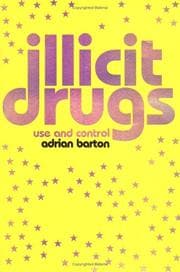
Cover of Illicit drugs

Illicit drugs

Adrian Barton

2003

The second edition of the popular Illicit Drugs: Use and Control provides a timely, up-to-date discussion of the key issues raised in the first edition, whilst also providing new chapters which address: Class, gender and race, The geo-politics of illicit drug production and distribution, Britain's drug use within a global context. This accessible book, with its inclusion of new pedagogical features, will be essential reading for students and researchers working in the area of drugs and society.

Cover of The theory and treatment of depression

The theory and treatment of depression

Jozef Corveleyn, Sidney J. Blatt

2005

This comprehensive volume delves into the multifaceted nature of depression, exploring its theoretical underpinnings and diverse treatment approaches. It examines the psychopathology of depressive disorders, offering insights into the underlying mechanisms and contributing factors. The book then provides an in-depth analysis of various therapeutic interventions, equipping clinicians with a nuanced understanding of effective strategies for managing depression.

Cover of Exposure Treatments for Anxiety Disorders

Exposure Treatments for Anxiety Disorders

Johan Rosqvist

2005

Exposure Treatments for Anxiety Disorders is a unique volume, as it draws together the latest research on the rapidly-expanding field of anxiety disorders and illuminates how to correctly apply the proven methodology of behavioral therapy techniques to the variety of situations that face today's mental health professional. That said, cognitive therapy has in the last 10 years gotten increased attention as an alternative to behavior therapy in the treatment of anxiety disorders. But while it is gaining acceptance among practitioners, cognitive therapy has yet to illustrate substantial benefits above those that behavior therapy can already provide. In light of the aforementioned, coupled with the pressure many practitioners feel from managed care paradigms and shrinking healthcare coverage, this book will be a welcome resource allowing for increased clarity of action, accountability, and ultimately, positive client outcome. Each chapter is designed to address pivotal aspects in the assessment, formulation and diagnosis, and treatment of anxiety disorders, to a sufficient depth that the generalist practitioner will be comfortable using this book as a guide when working with the anxiety disordered client.

Cover of Counseling addicted families

Counseling addicted families

Gerald A. Juhnke

2006

Although one person's addiction almost inevitably affects his or her family members, a surprising number of treatment models appear to operate under the assumption that an individual's addiction occurs in a vacuum. By not paying sufficient attention to preexisting family dynamics-whether dysfunctional, supportive, or somewhere in between-counselors run the risk of not fully understanding the roots of an individual's addictions or the obstacles to his recovery; as a result, counselors may undermine their own treatment efforts both by neglecting any underlying family problems and by failing to capitalize upon a family's potential assistance in an intervention with the addicted individual. In Counseling Addicted Families, Gerald A. Juhnke and William Bryce Hagedorn address this problem head-on. Recognizing that even those treatment providers who understand the importance of the familial context of addiction are often stymied by the variety of family treatment theories and their often imperfect fit for cases of addiction, Juhnke and Hagedorn provide a truly integrated model for assessment and treatment. Based upon the authors' combined 23 years of experience in clinical and treatment supervision, the Integrated Family Addictions Model consists of six progressive treatment tiers which organize the relevant family treatment theories into a graduated and coherent sequence, beginning with the briefest and least costly forms of therapy. If one of the lower tiers allows clients to reach their treatment goals, the patient and therapist need not waste time and resources following the full continuum. If, however, their needs are still unmet, they can progress in a logical fashion to more advanced and intensive forms of therapy. The book is divided into three broad topic areas designed to provide counselors and graduate students with essential information both about addictions and about the practical applications of various treatment theories. Part One discusses the prevalence of

Cover of Cognitive-behavioral therapy for smoking cessation

Cognitive-behavioral therapy for smoking cessation

Kenneth A. Perkins, Kenneth A. Perkins, Cynthia A. Conklin, Michele D. Levine

2007

Cognitive-Behavioral Therapy (CBT) for Smoking Cessation is an essential resource for healthcare providers assisting patients in quitting tobacco smoking, presenting a structured approach that utilizes key components of CBT. This second edition provides empirically supported strategies for smoking cessation, adhering to well-established best practices and representing a "gold standard" in treatment. It presents step-by-step techniques to enhance patients’ motivation and confidence, prepare them to quit, navigate postquit challenges, and achieve long-term abstinence. This updated edition takes a patient-centered approach, addressing significant challenges faced during cessation and offering providers a systematic framework for delivering care. Notably, this volume introduces an adjunct CBT module specifically designed for patients very concerned about gaining weight after quitting—a unique and validated approach that aids cessation efforts and is not available in other resources. The book also includes new case vignettes, provider scripts, sidebars addressing common patient concerns, and key takeaways. Additionally, an extensive e-resource provides links to supplementary materials and further readings, equipping providers from diverse disciplines and backgrounds with the tools needed to effectively support patients. A must-have resource on the bookshelf of any health professional treating clients with tobacco dependence.

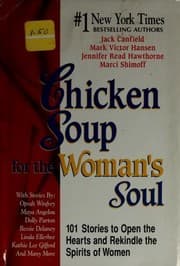
Cover of A second chicken soup for the woman's soul

A second chicken soup for the woman's soul

Jack Canfield, Dave Barry, Jack Canfield, Marci Shimoff, Mark Victory Hansen, Jennifer Read Hawthorne, Mark Victor Hansen

1996

This latest collection of stories celebrates the shared experiences of being a woman in a 101 new ways. You will be moved by these true accounts of how women like you have embraced life's defining moments by finding love, dealing with loss, overcoming obstacles and achieving their dreams and goals. Like spending time with a trusted friend, A Second Chicken Soup for the Woman's Soul will put difficult times into perspective, renew your faith in yourself and make you aware of the miracles in your own life.

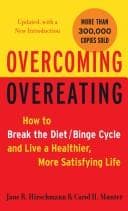
Cover of Overcoming overeating

Overcoming overeating

Jane R. Hirschmann, Carol H. Munter

1988

The reissue of a classic in healthy living, with more than 300,000 copies sold!Diet/binge. good food/bad food. punishment/reward. These are the compulsive eater's nightmares, a long-time pattern of recrimination and guilt that ultimately leads to more overeating and more weight gain. In an updated edition, here is the ground-breaking, step-by-step plan that doesn't control eating habits but cures them instead, once and for all. Overcoming Overeating will show you how to:* Give up dieting forever* Eat from true stomach hunger instead of "mouth hunger"* Stop overeating and lose weight naturally* Move beyond a preoccupation with eating and weight in order to live a more satisfying life

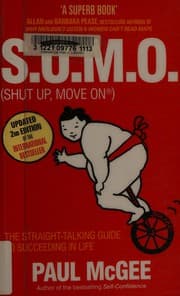
Cover of S. U. M. O

S. U. M. O

Paul McGee

2008

‘SUMO is a brilliant book, packed with simple, inspirational and innovative ideas that can be applied to any aspect of your life. Paul’s knowledge, enthusiasm and ability to clearly explain these methods is unsurpassed. I heartily recommend this excellent read.’ Professor Damian Hughes, Author and Co-Host of The High Performance Podcast ‘Paul offers a fresh, practical and down to earth approach to change and getting the best from life. An uplifting read for anyone looking to find their spark.’ Owen O'Kane, Psychotherapist & Sunday Times Best Selling Author Want some straight-talking advice on how to really improve your life? In the 20th Anniversary Edition of SUMO (Shut Up, Move On): The Straight-Talking Guide to Succeeding in Life, bestselling author and personal development heavyweight Paul McGee delivers inspiring insights by revealing how hundreds of thousands of people around the world are fulfilling their potential, seizing opportunities, succeeding at home and at work, and increasing their resilience by adopting the SUMO approach to life. McGee combines hard-won personal insights, ancient wisdom, modern science, hilarious anecdotes, practical tips, and hands-on frameworks to offer a life-changing read. New to this edition is an exploration of how real people have profoundly improved their lives with the book's timeless principles and strategies, providing a testament to the enduring power of the SUMO principles. You'll find: Exciting and inspirational advice for taking control of your own life Ways to change your thinking, mindset, and approach to life's inevitable obstacles Ideas to improve your understanding and awareness of the way that other people see the world Perfect for people wanting a straight-talking approach to success, as well as those who are already fans of the SUMO way of thinking, this new 20th Anniversary Edition is a must-have resource for everyone who's ready to ditch the “whatever will be, will be” fatalism in favor of a practical guide t

Readers also enjoyed

Popular and highly rated books from our library you might like next.

Cover of Smart Woman's Guide to PMS and Pain-Free Periods

Smart Woman's Guide to PMS and Pain-Free Periods

Linda Woolven

2008

An unabashed guide to symptom-free, drug-free periods For the 30 to 40 percent of women afflicted with PMS, traditional medicine can offer no genuine cures, only hormones, anti-depressants, and temporary pain-killers. Offering a practical, easy-to-implement plan for recovery from even the most debilitating forms of PMS, herbalist Linda Woolven outlines a natural powerhouse regimen of herbs, vitamins, minerals, and nutritional changes. A comprehensive guide to every aspect of women's menstrual and sexual health, the book also addresses menopause and osteoporosis. Combining scientific research and clinical experience with clear practical guidelines, this is an essential how-to health book for women of all ages. Linda Woolven (Toronto, ON, Canada) is the author of The Vegetarian Passport Cookbook (978-1-555041-331-1) and Healthy Herbs (978-1-555041-329-8).

Cover of Project Maven: A Marine Colonel, His Team, and the Dawn of AI Warfare

Project Maven: A Marine Colonel, His Team, and the Dawn of AI Warfare

Sebastian Mallaby

This book chronicles the improbable journey of Marine Colonel Gregory Boyington's team as they spearheaded Project Maven, a groundbreaking initiative to integrate artificial intelligence into drone warfare. Mallaby details the complex challenges of overcoming bureaucratic inertia and technical hurdles to equip military drones with AI for target identification. The narrative highlights the ethical and strategic implications of this nascent era of AI-driven conflict, showcasing the human ingenuity behind a significant technological leap.

Cover of I Am Not a Robot: My Year Using AI to Do (Almost) Everything

I Am Not a Robot: My Year Using AI to Do (Almost) Everything

Donella H. Meadows

This insightful memoir chronicles a year-long experiment where the author, Donella H. Meadows, attempted to delegate a significant portion of her daily tasks and responsibilities to artificial intelligence. Meadows meticulously documents her experiences, exploring the practical applications, surprising limitations, and evolving relationship between human agency and AI-driven assistance across various facets of her life. The narrative offers a compelling examination of the potential and pitfalls of integrating AI into everyday routines, prompting reflection on work, creativity, and the very definition of human productivity.

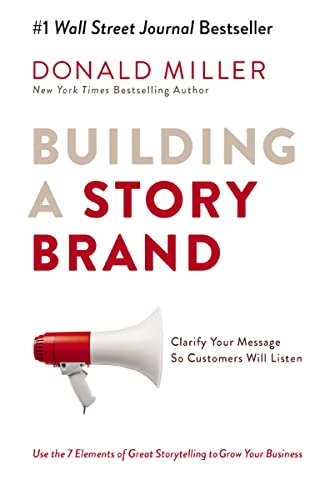
Cover of Building a StoryBrand 2.0: Clarify Your Message So Customers Will Listen

Building a StoryBrand 2.0: Clarify Your Message So Customers Will Listen

Marina Nitze

This revised edition of Building a StoryBrand presents a framework that helps businesses clarify their message by positioning the customer as the hero of their story. It outlines a seven-part framework to guide businesses in crafting clear and compelling communication that resonates with their target audience. The book provides practical strategies to eliminate jargon and confusion, enabling businesses to articulate their value proposition effectively and drive customer engagement.

Cover of You with the Sad Eyes: A Memoir

You with the Sad Eyes: A Memoir

Robert Greene

In "You with the Sad Eyes," Robert Greene offers a poignant and unflinching exploration of his personal journey through grief and loss, particularly following the death of his father. He delves into the complex emotional landscape of mourning, examining how sorrow can shape identity and inspire profound personal transformation. The memoir thoughtfully navigates the process of finding meaning and a renewed sense of self amidst profound sadness.

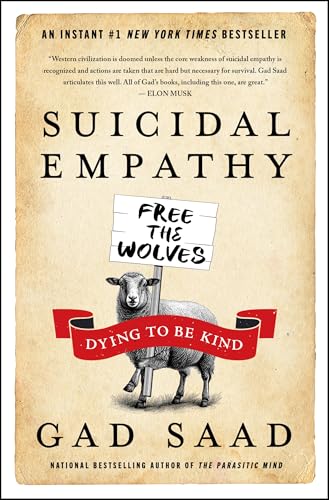
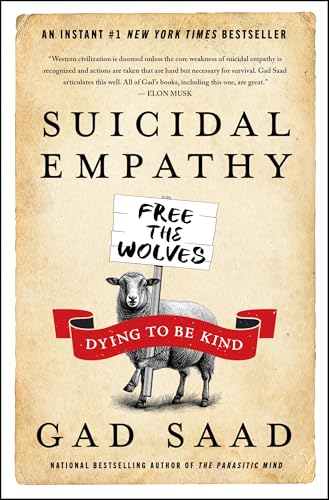
Cover of Suicidal Empathy: Dying to Be Kind

Suicidal Empathy: Dying to Be Kind

Gad Saad (Author, Narrator), Broadside Books (Publisher)

Gad Saad critically examines the pervasive and often detrimental influence of excessive empathy in contemporary Western society, arguing that a misguided focus on emotional validation can lead to a decline in individual resilience and societal progress. He contends that this "suicidal empathy" prioritizes comfort over truth and hinders the necessary confrontation of difficult realities. The book explores how this emotional overreach contributes to cultural stagnation and the erosion of objective standards.

Cover of The Primal Hunter 14: A LitRPG Adventure

The Primal Hunter 14: A LitRPG Adventure

Elle Kennedy

In the latest installment of this LitRPG series, Alex continues his relentless pursuit of ultimate power within the brutal confines of the Primal Hunt. Facing increasingly formidable foes and a shifting landscape of alliances, he must master new abilities and push his limits to survive. As the stakes escalate, Alex grapples with the moral implications of his quest and the sacrifices required to achieve his goals in this dangerous, evolving virtual world.

Cover of This Is Not About Running: A Memoir

This Is Not About Running: A Memoir

Isaac Fitzgerald

In "This Is Not About Running," Isaac Fitzgerald chronicles his complex relationship with his father, a former firefighter, and the physical and emotional scars that shaped his life. Through the lens of running, Fitzgerald explores themes of masculinity, trauma, and the search for self-acceptance, revealing how the discipline of the sport became a way to process his past and forge a new identity. This memoir is a poignant exploration of inherited legacies and the difficult, often circuitous, path toward healing.

Cover of Everything You Want Is on the Other Side of Hard

Everything You Want Is on the Other Side of Hard

Ken Rideout

Ken Rideout's book offers a pragmatic framework for achieving ambitious goals by reframing challenges as opportunities for growth. He emphasizes the importance of embracing discomfort and persevering through difficulties, arguing that true fulfillment and success are often found just beyond the point where one is tempted to quit. The work provides actionable strategies for developing resilience and maintaining motivation when faced with inevitable setbacks.

Frequently Asked Questions

What should I read after The developmental psychopathology of eating disorders?
Browse the similar books below — they're matched by subject overlap, author style, and reader preferences.
What books are most similar to The developmental psychopathology of eating disorders?
Our recommendations prioritize shared themes like Psychopathology, Etiology, Methods and books enjoyed by similar readers.
Which similar book is best for beginners?
Check page counts and summaries on each recommendation. Shorter titles with broader appeal are usually the best starting point.

Promote Your Book on BestsellerFinder

Reach thousands of readers with featured placements, homepage spots, and newsletter features.
Get bestseller picks in your inbox

Weekly curated book recommendations. Unsubscribe anytime.
Explore More

Affiliate Disclosure: As an Amazon Associate, we may earn from qualifying purchases. Book links on this page may be affiliate links. This does not affect our recommendations or the price you pay.