

Cover of Dona Flor e seus dais maridos

Dona Flor e seus dais maridos

by Jorge Leal Amado de Faria

Published 1966

Um dos romances mais populares de Jorge Amado, levado com êxito ao cinema, ao teatro e à televisão, Dona Flor e seus dois maridos conta a história de Florípedes Paiva, que conhece em seus dois casamentos a dupla face do amor: com o boêmio Vadinho, Flor vive a paixão avassaladora, o erotismo febril, o ciúme que corrói. Com o farmacêutico Teodoro, com quem se casa depois da morte do primeiro marido, encontra a paz doméstica, a segurança material, o amor metódico. Um dia, porém, Vadinho retorna sob a forma de um fantasma capaz de proporcionar de novo à protagonista o êxtase dos embates eróticos. Por obra da fantasia literária de Jorge Amado e da intervenção das entidades do candomblé, Flor consegue conciliar no amor o fogo e a calmaria, a aventura e a segurança, a paixão e a gentileza. Lançada em 1966, esta narrativa ousada e exuberante, plena de humor e ironia, é uma saborosa crônica de costumes da Bahia da primeira metade do século XX e um retrato inventivo das ambigüidades que marcam o Brasil. Este e-book não contém as imagens presentes na edição impressa.

FicciónFictionMarriageMarried womenMujeres casadasPortuguese languageTextsViudasWidowsBrazil -- Fiction.Brazilian Romance fictionMatrimonio

Similar Books

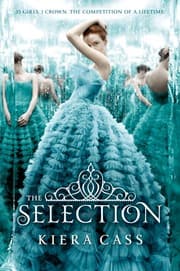
Cover of The Selection (The Selection #1)

The Selection (The Selection #1)

Kiera Cass

Elles sont trente-cinq jeunes filles : la "Sélection" s'annonce comme l'opportunité de leur vie. L'unique chance pour elles de troquer un destin misérable contre un monde de paillettes. L'unique occasion d'habiter dans un palais et de conquérir le coeur du prince Maxon, l'héritier du trône. Mais pour America Singer, cette sélection relève plutôt du cauchemar. Cela signifie renoncer à son amour interdit avec Aspen, un soldat de la caste inférieure. Quitter sa famille. Entrer dans une compétition sans merci. Vivre jour et nuit sous l'oeil des caméras... Puis America rencontre le Prince. Et tous les plans qu'elle avait échafaudés s'en trouvent bouleversés...

Cover of Man and Wife

Man and Wife

Wilkie Collins, Norman Page, Harry A. Webber

Man and Wife was Wilkie Collins' ninth published novel. It is the second of his novels (after No Name) in which social questions provide the main impetus of the plot. Collins increasingly used his novels to explore social abuses, which according to critics] tends to detract from their qualities as fiction. The social issue which drives the plot is the state of Scots marriage law; at the time the novel was written, any couple who were legally entitled to marry and who asserted that they were married before witnesses, or in writing, were regarded in Scotland as being married in law. The novel has a complex plot, common in Collins' work.[3] In a Prologue, a selfish and ambitious man casts off his wife in order to marry a wealthier and better-connected woman, by taking advantage of a loophole in the marriage laws of Ireland.The initial action takes place in the widowed Lady Lundie's house in Scotland. Geoffrey Delamayn has promised marriage to his lover Anne Silvester (governess to Lady Lundie's stepdaughter Blanche), who has incurred the enmity of her employer. The spendthrift Geoffrey is about to be disinherited and wishes to escape from his promise and marry a wealthy wife. Nevertheless, he is obliged to arrange a rendezvous with Anne, in the character of his wife, at an inn, and documents this in an exchange of notes with her. Subsequently, urgent matters force him to send his friend Arnold Brinkworth, Blanche's fiancé, to Anne in his place. To gain access to her, Arnold must ask for "his wife". Although nothing improper passes between them, they appear to the landlady and to Bishopriggs, a waiter, to be man and wife.Thus, both Geoffrey and Arnold might be deemed to be married to Anne, depending on the weight put on the spoken and written evidence. Most of the novel concerns Anne's, Geoffrey's and Arnold's attempts to clarify their marital status:

Cover of Married women who love women

Married women who love women

Carren Strock

This book is about women in heterosexual marriages who discover or come to terms with their lesbianism or bisexuality. It answers questions such as how women make this discovery, what they do once they realize their same-gender sexuality, how family and friends deal with the situation, and what happens to marriages and families. This second edition contains a new introduction, three new chapters, a glossary of gay-related terms, and a new list of additional reading.

Cover of The Freedom of Life

The Freedom of Life

Annie Payson Call

Annie Payson Call's "The Freedom of Life" offers a practical philosophy for achieving inner peace and mental well-being by emphasizing the power of conscious thought and disciplined will. The book guides readers toward self-mastery, asserting that true freedom lies not in external circumstances but in cultivating a serene and resilient inner life through consistent self-effort and a positive outlook. Call's enduring insights provide a framework for navigating life's challenges with greater equanimity and purpose, fostering personal growth and sustained happiness.

Cover of The Art of War

The Art of War

孙武 (Sun Tzu), Stephen F. Kaufman, Lionel Giles, Onésimo Colavidas

Sun Tzu's ancient treatise, "The Art of War," offers timeless strategic principles applicable beyond the battlefield to business, politics, and personal conflict. It emphasizes understanding oneself and the enemy, the importance of deception and adaptability, and the value of achieving victory with minimal confrontation. Through its concise aphorisms and insightful observations, the work provides a framework for decisive action and the cultivation of superior strategic thinking.

Cover of El conde Lucanor

El conde Lucanor

Don Juan Manuel

Don Juan Manuel (1282-1348), noble directamente emparentado con las familias que durante varios siglos ocuparon el trono de Castilla, es un caso anómalo en la literatura medieval española en la que abundan las obras anónimas. Sin embargo, entre su vida pública, de la que se conserva numerosa documentación, y la imagen que de sí mismo ofrecen sus páginas hay sorprendentes contrastes. Sus ocho obras conservadas, en las que predomina la intención de adoctrinar a los jóvenes vástagos de la nobleza, lo convierten en el prosista más importante del siglo XIV. En El conde Lucanor, su obra más conocida, alcanzan culminación y síntesis las tradiciones cuentísticas del mundo oriental y de los predicadores cristianos. La popularidad obtenida por los exempla incluidos en la primera parte no debe, sin embargo, oscurecer la habilidad con que Don Juan Manuel organiza el conjunto y combina distintos recursos retóricos. La pareja formada por el conde Lucanor y su ayo Patronio traspasa con sorprendente modernidad los borrosos límites que separan la realidad de la fición y entra por derecho propio a formar parte de los personajes famosos de la literatura universal.

Explore More

Affiliate Disclosure: As an Amazon Associate, we may earn from qualifying purchases. Book links on this page may be affiliate links. This does not affect our recommendations or the price you pay.