

Cover of Adlerian Counseling and Psychotherapy

Adlerian Counseling and Psychotherapy

by Thomas J. Sweeney

Published 2009

View on Amazon

Check availability on Amazon

Are you the author or publisher of this book?

Claim this book — Free

Update metadata for “Adlerian Counseling and Psychotherapy” after verification.

BestsellerFinder Score unavailable — not enough catalog data yet.

Sweeney's text provides a comprehensive overview of Adlerian counseling and psychotherapy, detailing its core principles and practical applications. It emphasizes Alfred Adler's concepts of social interest, teleology, and the individual's striving for significance as foundational to understanding and addressing psychological distress. The book guides practitioners in applying Adlerian techniques to foster client growth through collaborative exploration of life goals and the development of more constructive life-styles.

CounselingAdler, alfred, 1870-1937PsychoanalysisAdlerian psychologyPsychologie adlériennePSYCHOLOGYPsychotherapyGeneralMental Health

Similar Books

Cover of The mindfulness & acceptance workbook for anxiety

The mindfulness & acceptance workbook for anxiety

John P. Forsyth PhD, Georg H. Eifert PhD

The award-winning The Mindfulness and Acceptance Workbook for Anxiety has introduced countless readers to the concept of mindfulness, and has successfully helped many people manage worry, fear, and panic so they can live a better life. This fully revised and updated third edition of the best-selling and innovative workbook offers readers compelling new acceptance and commitment therapy (ACT) exercises to help them finally conquer their anxiety.


Cover of Exposure Treatments for Anxiety Disorders

Exposure Treatments for Anxiety Disorders

Johan Rosqvist

Exposure Treatments for Anxiety Disorders is a unique volume, as it draws together the latest research on the rapidly-expanding field of anxiety disorders and illuminates how to correctly apply the proven methodology of behavioral therapy techniques to the variety of situations that face today's mental health professional. That said, cognitive therapy has in the last 10 years gotten increased attention as an alternative to behavior therapy in the treatment of anxiety disorders. But while it is gaining acceptance among practitioners, cognitive therapy has yet to illustrate substantial benefits above those that behavior therapy can already provide. In light of the aforementioned, coupled with the pressure many practitioners feel from managed care paradigms and shrinking healthcare coverage, this book will be a welcome resource allowing for increased clarity of action, accountability, and ultimately, positive client outcome. Each chapter is designed to address pivotal aspects in the assessment, formulation and diagnosis, and treatment of anxiety disorders, to a sufficient depth that the generalist practitioner will be comfortable using this book as a guide when working with the anxiety disordered client.

Cover of Depression and aggression in family interaction

Depression and aggression in family interaction

German Edition by Otto Kaufmann

Patterson's work explores the intricate relationship between depression and aggressive behaviors within family dynamics. Through detailed observation and analysis, the book outlines how parental depression can contribute to the development and maintenance of aggressive patterns in children. It further investigates how these reciprocal interactions can perpetuate a cycle of distress for all family members. This research offers insights into the mechanisms by which mental health challenges manifest and are managed, or mismanaged, within the family unit.

Cover of Mental

Mental

Stephen M. Kosslyn, William L. Thompson, Giorgio Ganis

How do we define mental illness? What does a diagnosis mean? What should you ask your doctor before you begin treatment? Are there alternatives to medication? What does the research show actually works? Practitioner and professor of psychiatry Dr Steve Ellen and popular comedian Catherine Deveny combine forces to demystify the world of mental health. Sharing their personal experiences of mental illness and an insider perspective on psychiatry, they unpack the current knowledge about conditions and treatments coveing everything from depression and anxiety to schizophrenia, personality disorders and substance abuse. Whether you have a mental illness or support someone who does, Mental offers clear practical help, empowering you with an arsenal of tips and techniques to help build your resilience.

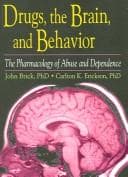
Cover of Drugs, the brain and behavior

Drugs, the brain and behavior

John Brick

Explore the brain and discover the clinical and pharmacological issues surrounding drug abuse and dependence. The authors, research scientists with years of experience in alcohol and drug studies, provide definitions, historic discoveries about the nervous system, and original, eye-catching illustrations to discuss the brain/behavior relationship, basic neuroanatomy, neurophysiology, and the mechanistic actions of mood-altering drugs. You will learn about: • how psychoactive drugs affect cognition, behavior, and emotion • the brain/behavior relationship • the specific effects of major addictive and psychoactive drug groups • new definitions and thinking about abuse and dependence • the medical and forensic consequences of drugs use Drugs, the Brain, and Behavior uses a balance of instruction, illustrations, and tables and formulas that will give you a broad, lasting introduction to this intriguing subject. Whether you're a nurse, chemical dependency counselor, psychologist, or clinician, this book will be a quick reference guide long after the first reading.

Cover of Embedding Counselling and Communication Skills

Embedding Counselling and Communication Skills

Shellene Ramsahoye R.SLP

Embedding Counselling and Communication Skills provides a step-by-step approach for those looking to gain a theoretical and practical understanding of using counselling and communication skills within the helper role and applying these skills in the context of professional practice. This revised edition is brought up to date with new content around the subjects of working online, working across difference and diversity, coaching, grief and loss and managing challenging situations. Written in a clear and accessible teaching style, this book progresses through the ‘initial helper’ communication skills that are used in everyday life, to the more complex and in-depth counselling skills required in a helper relationship. It introduces the reader to a Relational Skills model which demonstrates the phases of relationship development. The authors show what happens within each phase and identify how and when to use skills appropriately. Knowledge of reflective practice, aspects of the relationship and how to manage change ensures the text considers the full range of general and specific skills and abilities required. Learning is brought alive through the use of online video clip sessions of a real helper/client relationship giving the reader opportunities and encouragement to reflect and evaluate their learning. This book will be an essential resource for students taking an introductory counselling skills course, other trainees within the mental health sector, coaches and many other qualified professionals who wish to enhance their knowledge of embedding counselling skills into their work and practice.

Cover of The Freedom of Life

The Freedom of Life

American Psychological Association

Annie Payson Call's "The Freedom of Life" offers a practical philosophy for achieving inner peace and mental well-being by emphasizing the power of conscious thought and disciplined will. The book guides readers toward self-mastery, asserting that true freedom lies not in external circumstances but in cultivating a serene and resilient inner life through consistent self-effort and a positive outlook. Call's enduring insights provide a framework for navigating life's challenges with greater equanimity and purpose, fostering personal growth and sustained happiness.

Cover of Group and Team Coaching

Group and Team Coaching

Christine Thornton

Group and Team Coaching is a best-seller offering a new perspective on the ‘secret life of groups’, the subconscious and non-verbal processes through which people learn and communicate in groups and teams. Originally published in 2010 and designed for easy navigation, it is a highly regarded team coaching handbook, and required reading on many courses. This new edition is fully updated, with a completely new chapter on working with groups and teams on virtual platforms, including hybrid and blended working. Christine Thornton uses key concepts from psychology, group analysis and systems theory as well as her own extensive experience to give practical advice. Topics include: the invisible processes of group dynamics; common dilemmas; pitfalls of team coaching and how to avoid them; pros and cons and best practice online; how to design coaching interventions; supervising coaching; ethics. Based on research and including many vignettes and case studies, this new edition is essential reading for coaches working with groups and teams, and leaders working with their own teams or commissioning coaching.

Cover of Cognitive-behavioral therapy for smoking cessation

Cognitive-behavioral therapy for smoking cessation

Kenneth A. Perkins, Kenneth A. Perkins, Cynthia A. Conklin, Michele D. Levine

Cognitive-Behavioral Therapy (CBT) for Smoking Cessation is an essential resource for healthcare providers assisting patients in quitting tobacco smoking, presenting a structured approach that utilizes key components of CBT. This second edition provides empirically supported strategies for smoking cessation, adhering to well-established best practices and representing a "gold standard" in treatment. It presents step-by-step techniques to enhance patients’ motivation and confidence, prepare them to quit, navigate postquit challenges, and achieve long-term abstinence. This updated edition takes a patient-centered approach, addressing significant challenges faced during cessation and offering providers a systematic framework for delivering care. Notably, this volume introduces an adjunct CBT module specifically designed for patients very concerned about gaining weight after quitting—a unique and validated approach that aids cessation efforts and is not available in other resources. The book also includes new case vignettes, provider scripts, sidebars addressing common patient concerns, and key takeaways. Additionally, an extensive e-resource provides links to supplementary materials and further readings, equipping providers from diverse disciplines and backgrounds with the tools needed to effectively support patients. A must-have resource on the bookshelf of any health professional treating clients with tobacco dependence.

Explore More

Affiliate Disclosure: As an Amazon Associate, we may earn from qualifying purchases. Book links on this page may be affiliate links. This does not affect our recommendations or the price you pay.