Applied positive psychology vs How to Organize Yourself

Both "How to Organize Yourself" by John Caunt and "Applied positive psychology" by Stewart I. Donaldson, Jeanne Nakamura, Mihaly Csikszentmihalyi are popular choices for readers interested in Time management and Personal information management. This comparison helps you decide which to read first — or whether both belong on your list.

Shared Themes

GeneralSELF-HELPPersonal GrowthSuccess
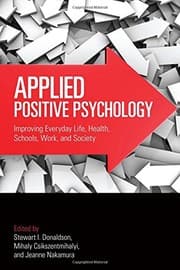
Cover of Applied positive psychology

Applied positive psychology

Stewart I. Donaldson, Jeanne Nakamura, Mihaly Csikszentmihalyi

2011

Positive psychological science has experienced extraordinary growth over the past two decades. Research in this area is revealing new strategies and interventions for improving everyday life, health and well-being, work, education, and societies across the globe. Contributions from luminaries in the field provide excellent reviews of the selected topics, summarizing empirical evidence, describing measurement tools, and offering recommendations for improving many aspects of our lives. Comprehensively updated, this second edition not only incorporates the more recent empirical findings; three new chapters on relationships and love, the importance of purpose, and the stimulation of education practice have been added. Focused on peer-reviewed and theory-driven psychological science, this book uniquely establishes a bridge between the intellectual movement for positive psychology and how it works in the real world. This collection of chapters will inspire the reader to creatively find new opportunities to better the human condition, whether these are in our lives, schools, health care settings, or workplaces. This book will be of interest to all psychologists and social scientists, applied researchers, program designers and evaluators, educators, leaders, students, and anyone interested in applying the science of positive psychology to improve everyday life and/or to promote social betterment and justice locally and globally.
Published 2011
Books like Applied positive psychology
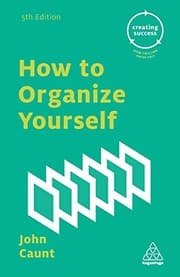
Cover of How to Organize Yourself

How to Organize Yourself

John Caunt

2013

Dramatically improve the way you work with great tips on how to determine goals, prioritize tasks, overcome distractions; build positive work habits and adjusting to working at home. This fully updated 7th edition now features even more practical exercises, useful templates and top tips to help you get organized, as well as content on how to deal with the ubiquitous presence of smartphones and adapt to the ever increasing scope for interruption and procrastination in our 24/7 lives. How to Organize Yourself will enable you to take control of your workload, reduce stress and fatigue, and free up time for the things that really matter. The Creating Success series of books... Unlock vital skills, power up your performance and get ahead with the bestselling Creating Success series. Written by experts for new and aspiring managers and leaders, this million-selling collection of accessible and empowering guides will get you up to speed in no time. Packed with clever thinking, smart advice and the kind of winning techniques that really get results, you'll make fast progress, quickly reach your goals and create lasting success in your career.

Published 2013
Books like How to Organize Yourself

Frequently Asked Questions

Which is easier to read: How to Organize Yourself or Applied positive psychology?
Reading difficulty depends on your familiarity with the genre. Check each book's page count and subject matter above, and start with whichever aligns better with books you've enjoyed before.
Can I read How to Organize Yourself and Applied positive psychology in any order?
Yes — these are standalone works. You don't need to read one before the other unless they're part of the same series.
Which book is better for beginners?
If you're new to this genre, look at the shorter book with broader appeal and start there. You can always come back for the other.

Are you an author? Promote your book or submit a free listing.

Affiliate Disclosure: As an Amazon Associate, we may earn from qualifying purchases. Book links on this page may be affiliate links. This does not affect our recommendations or the price you pay.