The Languages of Sexuality vs The World We Have Won

Both "The Languages of Sexuality" by Jeffrey Weeks and "The World We Have Won" by Jeffrey Weeks are popular choices for readers interested in Heterosexuality and Religious aspects. This comparison helps you decide which to read first — or whether both belong on your list.

Shared Themes

SexSexualitéPSYCHOLOGYHuman SexualitySELF-HELP
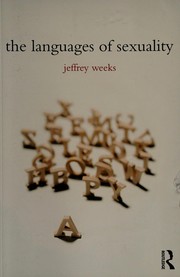
Cover of The Languages of Sexuality

The Languages of Sexuality

Jeffrey Weeks

2008

Words, Freud once wrote, are magic. Nowhere have words been more magical than in the writing of sexuality. Through words and concepts we learn what is good or bad, pleasurable or painful, significant and insignificant. The terms we use about sexuality do not simply describe something out there. They help shape what sexuality is. The Languages of Sexuality offers concise and incisive essays on key words and concepts which have played a significant role in shaping our understanding of contemporary sexualities and intimacies. Nearly a hundred essays illuminate the terms related to sexuality in fresh, and often unexpected ways, with entries ranging from ‘abjection’ and ‘abortion’ to ‘transgender and ‘Viagra’. Written with clarity, insight and passion by an internationally renowned theorist of sexuality, this book is not only an invaluable handbook, but also a personal exploration of the fluid, shifting, ever evolving meanings of sexual life as reflected and refracted through words and concepts. This book is an invaluable resource for both students and researchers with interests relating to sexuality and intimate life, gender studies, cultural studies, history and sociology. It will also appeal to a wider audience interested in critical debates about the nature and meanings of contemporary sexualities.
Published 2008
Books like The Languages of Sexuality
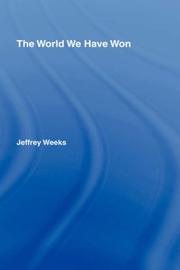
Cover of The World We Have Won

The World We Have Won

Jeffrey Weeks

2007

The World We Have Won is a major study of transformations in erotic and intimate life since 1945. We are living in a world of transition, in the midst of a long, unfinished but profound revolution that has transformed the possibilities of living out our sexual diversities. This book provides a balance sheet of the changes that have transformed our ways of being, from welfarism to the pill, women's and gay liberation, from globalization, consumerism and individualization to new forms of intimacy, from friends as family to same sex marriage. Some respond to these challenges with a deep cultural pessimism or moral conservatism. It rejects such views and argues that this is a world we are increasingly making for ourselves, part of the long process of democratization of everyday life. Unless we grasp this we cannot understand, not only the problems and anxieties, but the opportunities and hopes in this world we have won.

Published 2007
Books like The World We Have Won

Frequently Asked Questions

Which is easier to read: The Languages of Sexuality or The World We Have Won?
Reading difficulty depends on your familiarity with the genre. Check each book's page count and subject matter above, and start with whichever aligns better with books you've enjoyed before.
Can I read The Languages of Sexuality and The World We Have Won in any order?
Yes — these are standalone works. You don't need to read one before the other unless they're part of the same series.
Which book is better for beginners?
If you're new to this genre, look at the shorter book with broader appeal and start there. You can always come back for the other.

Are you an author? Promote your book or submit a free listing.

Affiliate Disclosure: As an Amazon Associate, we may earn from qualifying purchases. Book links on this page may be affiliate links. This does not affect our recommendations or the price you pay.