

The Greatness Guide vs The dynamics of persuasion

Both "The dynamics of persuasion" by Richard M. Perloff and "The Greatness Guide" by Robin S. Sharma are popular choices for readers interested in Attitude change and Mass media. This comparison helps you decide which to read first — or whether both belong on your list.

Shared Themes

Psychological aspectsMotivational & InspirationalSELF-HELPAspect psychologique
Cover of The Greatness Guide

The Greatness Guide

Robin S. Sharma

2006

Each one of us is called to greatness. We can have a significant impact on the world around us—if we so choose. If you are looking to craft an extraordinary life, The Greatness Guide is the powerful and practical handbook that will inspire you. Passionate, provocative, and full of big ideas that will challenge and transform, The Greatness Guide is one of those rare books that will release your potential and awaken your best self. Make the leap today and learn what the best do to become even better. The Greatness Guide will show you exactly how to experience remarkable results in business and in life. The Greatness Guide will help you discover the personal practices of truly successful people, learn powerful tools for achieving work-life balance, and get to your highest potential, fast.

Published 2006
Books like The Greatness Guide
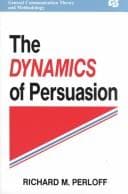
Cover of The dynamics of persuasion

The dynamics of persuasion

Richard M. Perloff

1993

This completely revised second edition of the best-selling text presents an up-to-date, comprehensive introduction to persuasive communication and attitude change. Employing the same organizational strategy he used in the first edition but offering more applications and fresh examples, Richard Perloff systematically explores the impact of persuasive communications on attitudes toward a host of topics spanning health, politics, and racial prejudice. This text will: *enhance students' understanding of persuasion theories and research; *introduce readers to the social science perspective on persuasion; *expose students to major issues discussed in the field of persuasion research; *help students appreciate complexities and subtleties in the dynamics of everyday persuasion; and *raise consciousness about the ethics of contemporary persuasion. Part I introduces students to the ubiquity of persuasion, how it is defined and differentiated from related terms, and the meaning of core concepts like attitude, belief, and value. Perloff combines a discussion of major concepts, such as balance theory, accessibility, and the theory of reasoned action with application of these concepts to numerous situations in everyday life, including the Clinton-Lewinsky scandal, body art, religion, abortion, and AIDS prevention. Part II of the book explores communication and attitude change. Contemporary theories, such as the Elaboration Likelihood Model, the Extended Parallel Process Model, and Cognitive Dissonance Theory are discussed in detail. Students and professors will find an up-to-date discussion of research generated by these theories, coupled with criticisms of theoretical perspectives. Part III of the book examines advertising and communication campaigns. After introducing students to advertising--using well-known advertising slogans and motifs--Perloff debunks subliminal advertising and describes major theories of advertising effects. Written for the upper-undergraduate level, The

Published 1993
Books like The dynamics of persuasion

Frequently Asked Questions

Which is easier to read: The dynamics of persuasion or The Greatness Guide?
Reading difficulty depends on your familiarity with the genre. Check each book's page count and subject matter above, and start with whichever aligns better with books you've enjoyed before.
Can I read The dynamics of persuasion and The Greatness Guide in any order?
Yes — these are standalone works. You don't need to read one before the other unless they're part of the same series.
Which book is better for beginners?
If you're new to this genre, look at the shorter book with broader appeal and start there. You can always come back for the other.

Are you an author? Promote your book or submit a free listing.

Affiliate Disclosure: As an Amazon Associate, we may earn from qualifying purchases. Book links on this page may be affiliate links. This does not affect our recommendations or the price you pay.