
Peak performance every time vs The happiness advantage

Both "Peak performance every time" by Simon Hartley and "The happiness advantage" by Shawn Achor are popular choices for readers interested in Performance and Self-management (Psychology). This comparison helps you decide which to read first — or whether both belong on your list.

Shared Themes

Success in businessSuccessPsychological aspectsSELF-HELPPersonal Growth
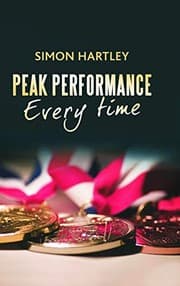
Cover of Peak performance every time

Peak performance every time

Simon Hartley

2012

Most people have good days...and not so good days. When they step back and ask what makes the difference, many conclude that it’s that stuff that happens between their ears. So, how do we engineer our mindset? How do we get our mental game right, so that we can perform at our best, consistently? Peak Performance Every Time provides readers with a detailed look into how to build the critical components of a great mental game. It will help them to hone their focus, control their confidence, master motivation and deliver their best ‘under pressure’. In short, it will help deliver peak performance, every time. The book provides a practical guide to performance psychology, based on approaches and methods that have been tried and tested in the demanding world of elite sport. In addition to applied practice, it provides real life examples and case studies from both elite sport and business, plus the underpinning theory and research. This book will be invaluable to anyone trying to reach their full potential, in particular athletes, coaches, managers and executives. It may also be of interest to sports psychology, management and business students.
Published 2012
Books like Peak performance every time
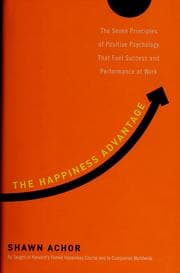
Cover of The happiness advantage

The happiness advantage

Shawn Achor

2010

INTERNATIONAL BESTSELLER • An engaging, deeply researched guide to flourishing in a world of increasing stress and negativity—the inspiration for one of the most popular TED Talks of all time “Powerful [and] charming . . . A book for just about anyone . . . The philosophies in this book are easily the best wire frames to build a happy and successful life.”—Medium Happiness is not the belief that we don’t need to change; it is the realization that we can. Our most commonly held formula for success is broken. Conventional wisdom holds that once we succeed, we’ll be happy; that once we get that great job, win that next promotion, lose those five pounds, happiness will follow. But the science reveals this formula to be backward: Happiness fuels success, not the other way around. Research shows that happy employees are more productive, more creative, and better problem solvers than their unhappy peers. And positive people are significantly healthier and less stressed and enjoy deeper social interaction than the less positive people around them. Drawing on original research—including one of the largest studies of happiness ever conducted—and work in boardrooms and classrooms across forty-two countries, Shawn Achor shows us how to rewire our brains for positivity and optimism to reap the happiness advantage in our lives, our careers, and even our health. His strategies include: • The Tetris Effect: how to retrain our brains to spot patterns of possibility so we can see and seize opportunities all around us • Social Investment: how to earn the dividends of a strong social support network • The Ripple Effect: how to spread positive change within our teams, companies, and families By turns fascinating, hopeful, and timely, The Happiness Advantage reveals how small shifts in our mind-set and habits can produce big gains at work, at home, and elsewhere.

Published 2010
Books like The happiness advantage

Frequently Asked Questions

Which is easier to read: Peak performance every time or The happiness advantage?
Reading difficulty depends on your familiarity with the genre. Check each book's page count and subject matter above, and start with whichever aligns better with books you've enjoyed before.
Can I read Peak performance every time and The happiness advantage in any order?
Yes — these are standalone works. You don't need to read one before the other unless they're part of the same series.
Which book is better for beginners?
If you're new to this genre, look at the shorter book with broader appeal and start there. You can always come back for the other.

Are you an author? Promote your book or submit a free listing.

Affiliate Disclosure: As an Amazon Associate, we may earn from qualifying purchases. Book links on this page may be affiliate links. This does not affect our recommendations or the price you pay.