
Illicit drugs vs The decline of substance use in young adulthood

Both "Illicit drugs" by Adrian Barton and "The decline of substance use in young adulthood" by Jerald G. Bachman are popular choices for readers interested in Drug abuse and Drug control. This comparison helps you decide which to read first — or whether both belong on your list.

Shared Themes

Substance-Related DisordersSELF-HELPSubstance Abuse & AddictionsGeneralPSYCHOLOGY
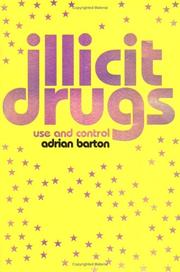
Cover of Illicit drugs

Illicit drugs

Adrian Barton

2003

The second edition of the popular Illicit Drugs: Use and Control provides a timely, up-to-date discussion of the key issues raised in the first edition, whilst also providing new chapters which address: Class, gender and race, The geo-politics of illicit drug production and distribution, Britain's drug use within a global context. This accessible book, with its inclusion of new pedagogical features, will be essential reading for students and researchers working in the area of drugs and society.
Published 2003
Books like Illicit drugs
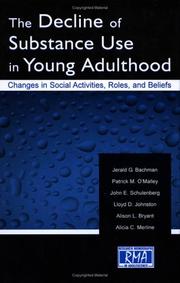
Cover of The decline of substance use in young adulthood

The decline of substance use in young adulthood

Jerald G. Bachman

2001

This book is intended as a thoughtful extension to Bachman et al.'s well-received monograph Smoking, Drinking, and Drug Use in Young Adulthood. That volume showed that the new freedoms of young adulthood lead to increases in substance use, while the responsibilities of adulthood--marriage, pregnancy, parenthood--contribute to declines in substance use. The Decline of Substance Use in Young Adulthood examines how the changes in social and religious experiences and in attitudes toward substance use observed among young adults are related to changes in substance use, family transitions, living arrangements, college experience, and employment. The research uses a variety of analysis techniques and is based on the nationwide Monitoring the Future surveys of more than 38,000 young people followed from high school into adulthood. The research covers the last quarter of the 20th century, a period when drug use and views about drugs underwent many important changes. In spite of these shifts, the overall patterns of relationships reported in this book are impressive in their consistency across time and in their general similarity for men and women. Specific questions addressed include the following: *As young adults experience new freedoms and responsibilities, do their attitudes about drugs change? *Do their religious views and behaviors shift? *Do their new freedoms and responsibilities affect the amount of time they spend in social activities, including going to parties and bars? *And how are any of these changes linked to changes in cigarette use, alcohol use, marijuana use, and cocaine use?

Published 2001
Books like The decline of substance use in young adulthood

Frequently Asked Questions

Which is easier to read: Illicit drugs or The decline of substance use in young adulthood?
Reading difficulty depends on your familiarity with the genre. Check each book's page count and subject matter above, and start with whichever aligns better with books you've enjoyed before.
Can I read Illicit drugs and The decline of substance use in young adulthood in any order?
Yes — these are standalone works. You don't need to read one before the other unless they're part of the same series.
Which book is better for beginners?
If you're new to this genre, look at the shorter book with broader appeal and start there. You can always come back for the other.

Are you an author? Promote your book or submit a free listing.

Affiliate Disclosure: As an Amazon Associate, we may earn from qualifying purchases. Book links on this page may be affiliate links. This does not affect our recommendations or the price you pay.