
Human safety and risk management vs Pressure Proofing

Both "Human safety and risk management" by A. Ian Glendon, A. Ian Glendon, Eugene F. McKenna and "Pressure Proofing" by Sam Klarreich are popular choices for readers interested in Psychology, industrial and Employees. This comparison helps you decide which to read first — or whether both belong on your list.

Shared Themes

Job stressStress dû au travailPSYCHOLOGYApplied PsychologySELF-HELP
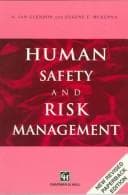
Cover of Human safety and risk management

Human safety and risk management

A. Ian Glendon, A. Ian Glendon, Eugene F. McKenna

1995

Reflecting a decade’s worth of changes, Human Safety and Risk Management, Second Edition contains new chapters addressing safety culture and models of risk as well as an extensive re-working of the material from the earlier edition. Examining a wide range of approaches to risk, the authors define safety culture and review theoretical models that elucidate mechanisms linking safety culture with safety performance. Filled with practical examples and case studies and drawing on a range of disciplines, the book explores individual differences and the many ways in which human beings are alike within a risk and safety context. It delineates a risk management approach that includes a range of techniques such as risk assessment, safety audit, and safety interventions. The authors address concepts central to workplace safety such as attitudes and their link with behavior. They discuss managing behavior in work environments including key functions and benefits of groups, factors influencing team effectiveness, and barriers to effectiveness such as groupthink.

Published 1995
Books like Human safety and risk management
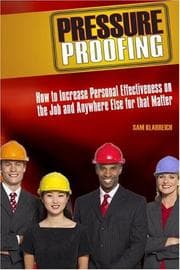
Cover of Pressure Proofing

Pressure Proofing

Sam Klarreich

2007

Do you feel uneasy when you try to relax? Are you overwhelmed by the deadlines you have to meet? Do you get rattled when things don’t go your way? Are you inpatient with people who work more slowly than you? Do you often get angry? Do you feel things are hopeless? Do you feel like not getting out of bed, instead pulling the covers over your head? More and more people have these reactions, in spite of the fact that we know more about pressure, anxiety, anger, and depression, and in spite of the fact that computers are supposed to make our lives and jobs easier. For the individual, these unhealthy reactions can lead to deteriorating health and a variety of social problems. For an organization, it often means low employee morale and declining productivity. In Pressure Proofing, Dr. Klarreich tackles the many people problems in the workplace and anywhere else for that matter. He shows how to identify the thoughts that bring on unhealthy reactions, and how to turn those thoughts around by debunking. Drawing on years of experience as a clinical psychologist, Dr. Klarreich then shows us, using quizzes, case histories, and practical programs, how these reactions can be conquered so that we can regain our health, productivity, and personal effectiveness. Pressure Proofing provides an inspiring, empowering, and engaging approach to addressing these issues.

Published 2007
Books like Pressure Proofing

Frequently Asked Questions

Which is easier to read: Human safety and risk management or Pressure Proofing?
Reading difficulty depends on your familiarity with the genre. Check each book's page count and subject matter above, and start with whichever aligns better with books you've enjoyed before.
Can I read Human safety and risk management and Pressure Proofing in any order?
Yes — these are standalone works. You don't need to read one before the other unless they're part of the same series.
Which book is better for beginners?
If you're new to this genre, look at the shorter book with broader appeal and start there. You can always come back for the other.

Are you an author? Promote your book or submit a free listing.

Affiliate Disclosure: As an Amazon Associate, we may earn from qualifying purchases. Book links on this page may be affiliate links. This does not affect our recommendations or the price you pay.