
The children who lived vs Helping Grieving People--When Tears Are Not Enough

Both "The children who lived" by Kathryn A. Markell and "Helping Grieving People--When Tears Are Not Enough" by J. Shep Jeffreys are popular choices for readers interested in Bereavement in children and Characters and characteristics in literature. This comparison helps you decide which to read first — or whether both belong on your list.

Shared Themes

BereavementGrief
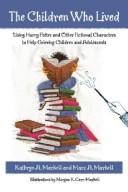
Cover of The children who lived

The children who lived

Kathryn A. Markell

2008

Harry Potter’s encounters with grief, as well as the grief experiences of other fictional characters, can be used by educators, counselors, and parents to help children and adolescents deal with their own loss issues. The Children Who Lived is a unique approach toward grief and loss in children. Focusing on fictional child and adolescent characters experiencing grief, this book uses classic tales and the Harry Potter books to help grieving children and adolescents. Included in the text and the downloadable resources are a number of activities, discussion questions, and games that could be used with grieving children and adolescents, based on the fictional characters in these books.
Published 2008
Books like The children who lived
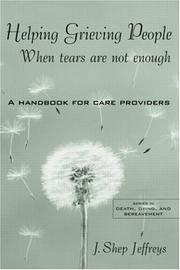
Cover of Helping Grieving People--When Tears Are Not Enough

Helping Grieving People--When Tears Are Not Enough

J. Shep Jeffreys

2004

Helping Grieving People – When Tears Are Not Enough is a handbook for care providers who provide service, support and counseling to those grieving death, illness, and other losses. This book is also an excellent text for academic courses as well as for staff development training. The author addresses grief as it affects a variety of relationships and discusses different intervention and support strategies, always cognizant of individual and cultural differences in the expression and treatment of grief. Jeffreys has established a practical approach to preparing grief care providers through three basic tracks. The first track: Heart – calls for self-discovery, freeing oneself of accumulated loss in order to focus all attention on the griever. Second track: Head – emphasizes understanding the complex and dynamic phenomena of human grief. Third track: Hands – stresses the caregiver's actual intervention, and speaks to lay and professional levels of skill, as well as the various approaches for healing available. Accompanying these three motifs, the Handbook discusses the social and cultural contexts of grief as applied to various populations of grievers as well as the underlying psychological basis of human grief. Throughout the book, Jeffreys presents the role of the caregiver as an Exquisite Witness to the journey of grief and pain of bereaved family and friends, and also to the path taken by dying persons and their families. The second edition of Helping Grieving People remains true to the approach that has been so well received in the original volume. It includes updated research findings and addresses new information and developments in the field of loss, grief and bereavement.

Published 2004
Books like Helping Grieving People--When Tears Are Not Enough

Frequently Asked Questions

Which is easier to read: The children who lived or Helping Grieving People--When Tears Are Not Enough?
Reading difficulty depends on your familiarity with the genre. Check each book's page count and subject matter above, and start with whichever aligns better with books you've enjoyed before.
Can I read The children who lived and Helping Grieving People--When Tears Are Not Enough in any order?
Yes — these are standalone works. You don't need to read one before the other unless they're part of the same series.
Which book is better for beginners?
If you're new to this genre, look at the shorter book with broader appeal and start there. You can always come back for the other.

Are you an author? Promote your book or submit a free listing.

Affiliate Disclosure: As an Amazon Associate, we may earn from qualifying purchases. Book links on this page may be affiliate links. This does not affect our recommendations or the price you pay.