
Married women who love women vs Handbook of research with lesbian, gay, bisexual, and transgender populations

Both "Handbook of research with lesbian, gay, bisexual, and transgender populations" by William Meezan, James I. Martin and "Married women who love women" by Carren Strock are popular choices for readers interested in Social work with lesbians and Social work with transgender people. This comparison helps you decide which to read first — or whether both belong on your list.

Shared Themes

MethodologyLesbians
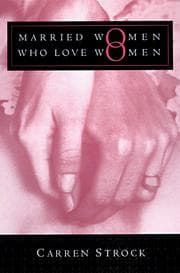
Cover of Married women who love women

Married women who love women

Carren Strock

1995

This book is about women in heterosexual marriages who discover or come to terms with their lesbianism or bisexuality. It answers questions such as how women make this discovery, what they do once they realize their same-gender sexuality, how family and friends deal with the situation, and what happens to marriages and families. This second edition contains a new introduction, three new chapters, a glossary of gay-related terms, and a new list of additional reading.

Published 1995
Books like Married women who love women
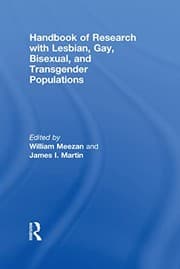
Cover of Handbook of research with lesbian, gay, bisexual, and transgender populations

Handbook of research with lesbian, gay, bisexual, and transgender populations

William Meezan, James I. Martin

2008

Handbook of Research with Lesbian, Gay, Bisexual, and Transgender Populations provides a detailed examination of the current methods and theoretical frameworks for conducting research with LGBT populations. Introducing greater nuance in designing and implementing research models for working with these populations, Handbook of Research with Lesbian, Gay, Bisexual, and Transgender Populations provides guidelines for defining these groups, strategies to obtain more inclusive and representative samples, and methods for engaging these populations to produce consistent and relevant data. Collecting essays by notable researchers and scholars in the field, Handbook of Research with Lesbian, Gay, Bisexual, and Transgender Populations provides meaningful analyses of the ethics and practical constraints that researchers confront in dealing with LGBT populations--including protection of privacy--which is a special concern for many. For students, teachers, social workers, mental health professionals, and researchers of all backgrounds, this is an invaluable resource and guidebook for anyone seeking a better quality of understanding and engagement with LGBT individuals and communities.

Published 2008
Books like Handbook of research with lesbian, gay, bisexual, and transgender populations

Frequently Asked Questions

Which is easier to read: Handbook of research with lesbian, gay, bisexual, and transgender populations or Married women who love women?
Reading difficulty depends on your familiarity with the genre. Check each book's page count and subject matter above, and start with whichever aligns better with books you've enjoyed before.
Can I read Handbook of research with lesbian, gay, bisexual, and transgender populations and Married women who love women in any order?
Yes — these are standalone works. You don't need to read one before the other unless they're part of the same series.
Which book is better for beginners?
If you're new to this genre, look at the shorter book with broader appeal and start there. You can always come back for the other.

Are you an author? Promote your book or submit a free listing.

Affiliate Disclosure: As an Amazon Associate, we may earn from qualifying purchases. Book links on this page may be affiliate links. This does not affect our recommendations or the price you pay.