
Finnegans Wake vs Little House in the Big Woods

Both "Finnegans Wake" by James Joyce and "Little House in the Big Woods" by Laura Ingalls Wilder are popular choices for readers interested in Facsimiles and Manuscripts. This comparison helps you decide which to read first — or whether both belong on your list.

Shared Themes

FictionFamilyFamilies
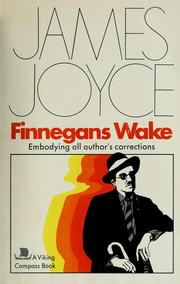
Cover of Finnegans Wake

Finnegans Wake

James Joyce

1928

James Joyce's "Finnegans Wake" is a seminal work of modernist literature that defies conventional narrative structure and employs a unique, polyphonic style characterized by its intricate puns, multilingual wordplay, and dreamlike prose. Published in 1939, this avant-garde text intricately weaves together the cycles of history, mythology, and the human experience, inviting readers to delve into the consciousness of its characters. The work operates largely as a labyrinth of language, where traditional themes are interspersed with the enigmatic, creating a rich tapestry that mirrors the architecture of the human mind and the complexities of time itself. Joyce, an Irish author whose earlier works like "Ulysses" already showcased his innovative literary techniques, pushed the boundaries further with "Finnegans Wake." His extensive knowledge of languages, history, and philosophy informed his writing, reflecting his fascination with the cyclical nature of history and the unity of human experience across epochs. The creation of this monumental text occurred over many years, during which Joyce grappled with the nuances of allowing language to transcend mere communication to embody rich, fluid meaning. Readers seeking to challenge their literary sensibilities will find "Finnegans Wake" an exhilarating journey. This book is not merely read; it is experienced. It rewards readers who approach its complexities with curiosity and openness to interpretation. An indispensable text for enthusiasts of modern literature, Joyce's magnum opus compels us to rethink the foundations of narrative and the nature of consciousness itself. In this enriched edition, we have carefully created added value for your reading experience: - A succinct Introduction situates the work's timeless appeal and themes. - The Synopsis outlines the central plot, highlighting key developments without spoiling critical twists. - A detailed Historical Context immerses you in the era's events and influences that sh
Published 1928
Books like Finnegans Wake
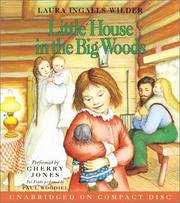
Cover of Little House in the Big Woods

Little House in the Big Woods

Laura Ingalls Wilder

1932

"Little House in the Big Woods" is an autobiographical children's novel written by Laura Ingalls Wilder and published by Harper in 1932. It was Wilder's first book published and it inaugurated her Little House series. It is based on memories of her early childhood in the Big Woods near Pepin, Wisconsin, in the early 1870s. Based on a 2007 online poll, the U.S. National Education Association named the novel one of its ""Teachers' Top 100 Books for Children"". In 2012, it was ranked number 19 among all-time children's novels in a survey published by School Library Journal – the first of three Little House books in the Top 100.

Published 1932
Books like Little House in the Big Woods

Frequently Asked Questions

Which is easier to read: Finnegans Wake or Little House in the Big Woods?
Reading difficulty depends on your familiarity with the genre. Check each book's page count and subject matter above, and start with whichever aligns better with books you've enjoyed before.
Can I read Finnegans Wake and Little House in the Big Woods in any order?
Yes — these are standalone works. You don't need to read one before the other unless they're part of the same series.
Which book is better for beginners?
If you're new to this genre, look at the shorter book with broader appeal and start there. You can always come back for the other.

Are you an author? Promote your book or submit a free listing.

Affiliate Disclosure: As an Amazon Associate, we may earn from qualifying purchases. Book links on this page may be affiliate links. This does not affect our recommendations or the price you pay.