
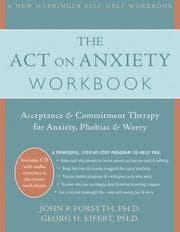
The mindfulness & acceptance workbook for anxiety vs Cognitive-behavioral therapy for smoking cessation

Both "The mindfulness & acceptance workbook for anxiety" by John P. Forsyth, John P., Ph.D. Forsyth, Georg Eifert and "Cognitive-behavioral therapy for smoking cessation" by Kenneth A. Perkins, Kenneth A. Perkins, Cynthia A. Conklin, Michele D. Levine are popular choices for readers interested in Anxiety Disorders and Acceptance and commitment therapy. This comparison helps you decide which to read first — or whether both belong on your list.

Shared Themes

Anxiety DisordersTreatmentAnxiety disorders
Cover of The mindfulness & acceptance workbook for anxiety

The mindfulness & acceptance workbook for anxiety

John P. Forsyth, John P., Ph.D. Forsyth, Georg Eifert

2007

The award-winning The Mindfulness and Acceptance Workbook for Anxiety has introduced countless readers to the concept of mindfulness, and has successfully helped many people manage worry, fear, and panic so they can live a better life. This fully revised and updated third edition of the best-selling and innovative workbook offers readers compelling new acceptance and commitment therapy (ACT) exercises to help them finally conquer their anxiety.
Published 2007
Books like The mindfulness & acceptance workbook for anxiety
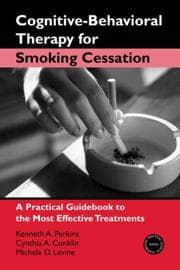
Cover of Cognitive-behavioral therapy for smoking cessation

Cognitive-behavioral therapy for smoking cessation

Kenneth A. Perkins, Kenneth A. Perkins, Cynthia A. Conklin, Michele D. Levine

2007

Cognitive-Behavioral Therapy (CBT) for Smoking Cessation is an essential resource for healthcare providers assisting patients in quitting tobacco smoking, presenting a structured approach that utilizes key components of CBT. This second edition provides empirically supported strategies for smoking cessation, adhering to well-established best practices and representing a "gold standard" in treatment. It presents step-by-step techniques to enhance patients’ motivation and confidence, prepare them to quit, navigate postquit challenges, and achieve long-term abstinence. This updated edition takes a patient-centered approach, addressing significant challenges faced during cessation and offering providers a systematic framework for delivering care. Notably, this volume introduces an adjunct CBT module specifically designed for patients very concerned about gaining weight after quitting—a unique and validated approach that aids cessation efforts and is not available in other resources. The book also includes new case vignettes, provider scripts, sidebars addressing common patient concerns, and key takeaways. Additionally, an extensive e-resource provides links to supplementary materials and further readings, equipping providers from diverse disciplines and backgrounds with the tools needed to effectively support patients. A must-have resource on the bookshelf of any health professional treating clients with tobacco dependence.

Published 2007
Books like Cognitive-behavioral therapy for smoking cessation

Frequently Asked Questions

Which is easier to read: The mindfulness & acceptance workbook for anxiety or Cognitive-behavioral therapy for smoking cessation?
Reading difficulty depends on your familiarity with the genre. Check each book's page count and subject matter above, and start with whichever aligns better with books you've enjoyed before.
Can I read The mindfulness & acceptance workbook for anxiety and Cognitive-behavioral therapy for smoking cessation in any order?
Yes — these are standalone works. You don't need to read one before the other unless they're part of the same series.
Which book is better for beginners?
If you're new to this genre, look at the shorter book with broader appeal and start there. You can always come back for the other.

Are you an author? Promote your book or submit a free listing.

Affiliate Disclosure: As an Amazon Associate, we may earn from qualifying purchases. Book links on this page may be affiliate links. This does not affect our recommendations or the price you pay.