
The mindfulness & acceptance workbook for anxiety vs Anxiety and Mood Disorders Following Traumatic Brain Injury

Both "Anxiety and Mood Disorders Following Traumatic Brain Injury" by Rudi Coetzer and "The mindfulness & acceptance workbook for anxiety" by John P. Forsyth, John P., Ph.D. Forsyth, Georg Eifert are popular choices for readers interested in Psychopathology and Anxiety Disorders. This comparison helps you decide which to read first — or whether both belong on your list.

Shared Themes

Anxiety DisordersMood DisordersAnxiety disordersSELF-HELP
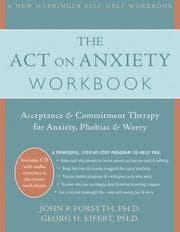
Cover of The mindfulness & acceptance workbook for anxiety

The mindfulness & acceptance workbook for anxiety

John P. Forsyth, John P., Ph.D. Forsyth, Georg Eifert

2007

The award-winning The Mindfulness and Acceptance Workbook for Anxiety has introduced countless readers to the concept of mindfulness, and has successfully helped many people manage worry, fear, and panic so they can live a better life. This fully revised and updated third edition of the best-selling and innovative workbook offers readers compelling new acceptance and commitment therapy (ACT) exercises to help them finally conquer their anxiety.
Published 2007
Books like The mindfulness & acceptance workbook for anxiety
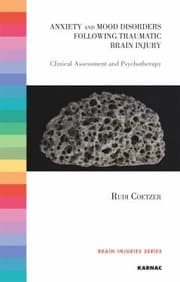
Cover of Anxiety and Mood Disorders Following Traumatic Brain Injury

Anxiety and Mood Disorders Following Traumatic Brain Injury

Rudi Coetzer

2010

While there are many excellent texts addressing cognitive impairment and behavioural difficulties and on rehabilitation associated with traumatic brain injury, few textbooks specifically address the most common emotional problems that can have such an adverse effect on rehabilitation and outcome. Uniquely this book deals exclusively with the identification and psychotherapeutic management of mood and anxiety disorders after traumatic brain injury. Furthermore, a systematic approach to identifying and diagnosing anxiety and mood disorders is followed throughout the text. As well as providing an introduction to anxiety and mood disorders after traumatic brain injury, it provides a psychological perspective on their evolution and management. It is aimed at a range of professionals in training (or those responsible for providing training in psychopathology, neuropsychology and psychotherapy), as well as those who may have an interest in working with the type of patients with anxiety or depression, commonly seen in post-acute brain injury rehabilitation settings. Case studies, summaries and suggested references for further reading are used throughout to facilitate understanding and teaching where relevant.

Published 2010
Books like Anxiety and Mood Disorders Following Traumatic Brain Injury

Frequently Asked Questions

Which is easier to read: Anxiety and Mood Disorders Following Traumatic Brain Injury or The mindfulness & acceptance workbook for anxiety?
Reading difficulty depends on your familiarity with the genre. Check each book's page count and subject matter above, and start with whichever aligns better with books you've enjoyed before.
Can I read Anxiety and Mood Disorders Following Traumatic Brain Injury and The mindfulness & acceptance workbook for anxiety in any order?
Yes — these are standalone works. You don't need to read one before the other unless they're part of the same series.
Which book is better for beginners?
If you're new to this genre, look at the shorter book with broader appeal and start there. You can always come back for the other.

Are you an author? Promote your book or submit a free listing.

Affiliate Disclosure: As an Amazon Associate, we may earn from qualifying purchases. Book links on this page may be affiliate links. This does not affect our recommendations or the price you pay.