
Exposure Treatments for Anxiety Disorders vs Anxiety and Mood Disorders Following Traumatic Brain Injury

Both "Exposure Treatments for Anxiety Disorders" by Johan Rosqvist and "Anxiety and Mood Disorders Following Traumatic Brain Injury" by Rudi Coetzer are popular choices for readers interested in Anxiety and Behavior therapy. This comparison helps you decide which to read first — or whether both belong on your list.

Shared Themes

AnxietyPsychopathologyAnxiety DisordersAnxieties & PhobiasSELF-HELP
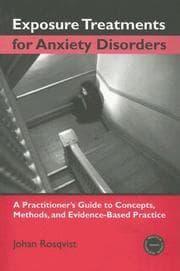
Cover of Exposure Treatments for Anxiety Disorders

Exposure Treatments for Anxiety Disorders

Johan Rosqvist

2005

Exposure Treatments for Anxiety Disorders is a unique volume, as it draws together the latest research on the rapidly-expanding field of anxiety disorders and illuminates how to correctly apply the proven methodology of behavioral therapy techniques to the variety of situations that face today's mental health professional. That said, cognitive therapy has in the last 10 years gotten increased attention as an alternative to behavior therapy in the treatment of anxiety disorders. But while it is gaining acceptance among practitioners, cognitive therapy has yet to illustrate substantial benefits above those that behavior therapy can already provide. In light of the aforementioned, coupled with the pressure many practitioners feel from managed care paradigms and shrinking healthcare coverage, this book will be a welcome resource allowing for increased clarity of action, accountability, and ultimately, positive client outcome. Each chapter is designed to address pivotal aspects in the assessment, formulation and diagnosis, and treatment of anxiety disorders, to a sufficient depth that the generalist practitioner will be comfortable using this book as a guide when working with the anxiety disordered client.
Published 2005
Books like Exposure Treatments for Anxiety Disorders
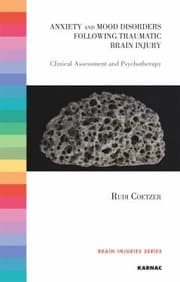
Cover of Anxiety and Mood Disorders Following Traumatic Brain Injury

Anxiety and Mood Disorders Following Traumatic Brain Injury

Rudi Coetzer

2010

While there are many excellent texts addressing cognitive impairment and behavioural difficulties and on rehabilitation associated with traumatic brain injury, few textbooks specifically address the most common emotional problems that can have such an adverse effect on rehabilitation and outcome. Uniquely this book deals exclusively with the identification and psychotherapeutic management of mood and anxiety disorders after traumatic brain injury. Furthermore, a systematic approach to identifying and diagnosing anxiety and mood disorders is followed throughout the text. As well as providing an introduction to anxiety and mood disorders after traumatic brain injury, it provides a psychological perspective on their evolution and management. It is aimed at a range of professionals in training (or those responsible for providing training in psychopathology, neuropsychology and psychotherapy), as well as those who may have an interest in working with the type of patients with anxiety or depression, commonly seen in post-acute brain injury rehabilitation settings. Case studies, summaries and suggested references for further reading are used throughout to facilitate understanding and teaching where relevant.

Published 2010
Books like Anxiety and Mood Disorders Following Traumatic Brain Injury

Frequently Asked Questions

Which is easier to read: Exposure Treatments for Anxiety Disorders or Anxiety and Mood Disorders Following Traumatic Brain Injury?
Reading difficulty depends on your familiarity with the genre. Check each book's page count and subject matter above, and start with whichever aligns better with books you've enjoyed before.
Can I read Exposure Treatments for Anxiety Disorders and Anxiety and Mood Disorders Following Traumatic Brain Injury in any order?
Yes — these are standalone works. You don't need to read one before the other unless they're part of the same series.
Which book is better for beginners?
If you're new to this genre, look at the shorter book with broader appeal and start there. You can always come back for the other.

Are you an author? Promote your book or submit a free listing.

Affiliate Disclosure: As an Amazon Associate, we may earn from qualifying purchases. Book links on this page may be affiliate links. This does not affect our recommendations or the price you pay.